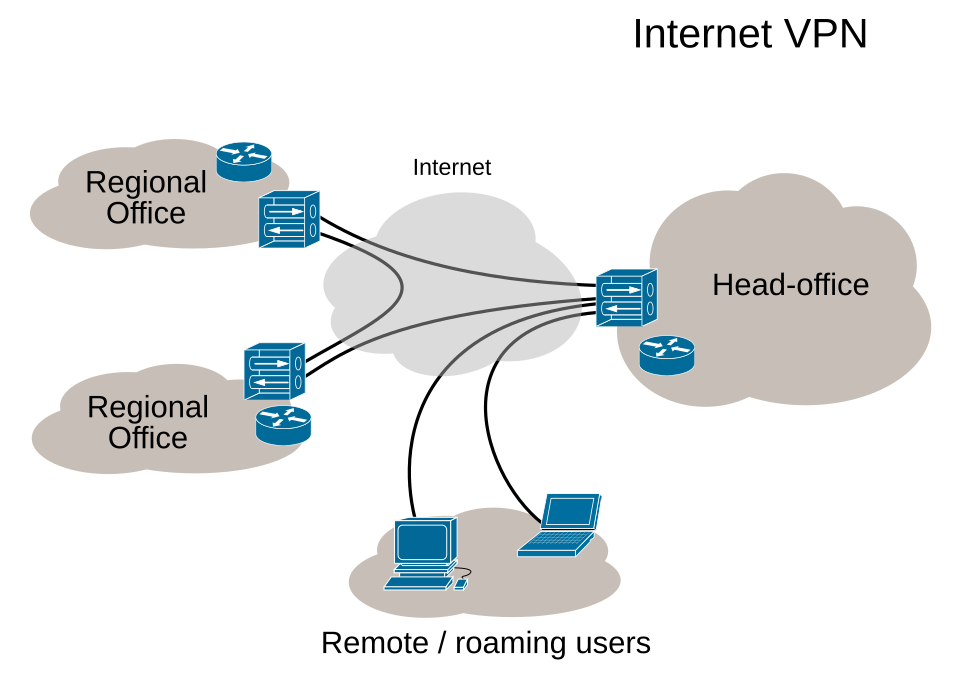

Vmware not working with vpn heres how to fix it and get back online is a common headache for tech-savvy users who rely on virtual machines for testing, development, or secure remote work. In this guide, you’ll get a step-by-step, practical approach to diagnose and fix VPN-related VM issues, plus tips to optimize performance and maintain security. Below you’ll find a quick summary, followed by detailed sections, real-world tips, and an FAQ with actionable answers.
- Quick answer: Yes, you can usually fix this by adjusting network settings, updating software, and verifying VPN compatibility. This guide walks you through a step-by-step approach.
- Format you’ll get: step-by-step fixes, checklists, quick troubleshooting workflows, and a comparison of common VPN and VMware networking scenarios.
- Tools you’ll need: VMware Workstation or VMware Fusion, your preferred VPN client, and admin access to your host machine.
Useful resources you might want to reference as you troubleshoot text only:
- Vmware Workstation Documentation – vmware.com
- VPN Best Practices Guide – vpnsecurity.org
- Windows Networking Troubleshooting – microsoft.com
- macOS Network Diagnostics – support.apple.com
- NordVPN help center – nordvpn.com
- Official VMware Knowledge Base – kb.vmware.com
Introduction: what you’ll learn and how to approach it
Yes, this guide will help you get VMware VMs working again when a VPN is in the mix. We’ll cover common causes, practical fixes, and best practices so you can get back online fast. Here’s the structure you’ll follow:
- Quick-fire diagnosis checklist: what to check first
- Networking models explained: NAT, Bridged, Host-only, and VMnet concepts
- Step-by-step fixes: from basic to advanced
- VPN-specific tips: split tunneling, kill-switchs, and DNS handling
- Performance and security tips: keep latency low and data safe
- Real-world scenarios: common setups and how to solve them
- Handy resources and quick references
Body
Understanding VMware networking and VPN interactions
VMware creates virtual networks that sit between your guest VM and the host network. When you run a VPN, the traffic flow changes—usually to a VPN tunnel with its own DNS settings, routes, and sometimes a virtual adapter. If the VM’s network is not aligned with the VPN’s tunnel, you can lose connectivity, see IP conflicts, or encounter DNS resolution issues.
Key concepts you’ll use:
- NAT Network Address Translation: The VM shares the host’s IP; outbound traffic goes through the host’s network stack.
- Bridged: The VM appears as a separate device on the same network as the host, often getting its own IP from the DHCP server.
- Host-only: The VM can only reach the host and other VMs on the same host; no external network access by default.
- VMnet adapters: VMware uses virtual adapters VMnet1, VMnet8, etc. to shape traffic flow.
Common VPN behaviors that affect VMs:
- VPN binds to specific adapters and can push routes that exclude VMnet adapters.
- DNS changes on the host may not propagate to the VM unless configured.
- Split tunneling can cause some VM traffic to bypass the VPN, causing leakage or no connectivity.
- DNS and IPv6 handling sometimes hamstring VM resolution if the VPN blocks or redirects DNS.
Quick troubleshooting checklist start here
- Confirm VPN status and guest connectivity
- Is the VPN connected on the host? Yes? Great. If no, establish the VPN and retry.
- Does the VM have network connectivity when the VPN is disconnected? If yes, the VPN routing is the culprit.
- Check VM network adapter settings
- Open VM settings and verify the network adapter is set to NAT, Bridged, or Host-only depending on your needs.
- If using NAT, ensure VMware NAT service is running on the host.
- Verify VPN compatibility with VMware
- Some VPNs block virtual adapters or require app-specific permissions. Check the VPN provider’s docs for VM compatibility notes.
- Temporarily disable firewall or security software to see if it’s blocking VM traffic re-enable after testing.
- DNS resolution checks
- On the host: run nslookup example.com to confirm DNS works over VPN.
- Inside the VM: run nslookup to ensure DNS resolution works there too; if not, adjust DNS settings inside the VM or through the VPN’s DNS options.
- Check routes and IP addresses
- On the host, run route print Windows or netstat -rn macOS to view routes.
- Inside the VM, run similar commands to verify proper routing through the VPN or local network.
- Test different network modes
- Switch between NAT and Bridged to see which mode works with the VPN.
- If Host-only provides access to the host but not the internet, you know the VPN routing is the blocker.
- Update everything
- Update VMware Workstation/Fusion to the latest version.
- Update the VPN client to the latest version.
- Update host OS and VM guest additions/tools inside the VM.
- Check for IP conflicts
- Ensure the VPN doesn’t assign an IP range overlapping with your VM’s NAT or bridge networks.
- Consider DNS over VPN
- Some VPNs force DNS through the tunnel. If the VM’s DNS is unresolved, configure the VM to use a public DNS like 8.8.8.8 or 1.1.1.1 while connected to the VPN, or use VPN-provided DNS settings.
- Logs and diagnostics
- Look at VMware logs vmware.log in the VM’s directory and VPN client logs for clues.
- Check host firewall rules that might block VM traffic when VPN is active.
Step-by-step fixes you can try from quick to more involved
Fix 1: Use NAT by default and verify VPN compatibility
- In VMware, set the VM’s network adapter to NAT VMnet8.
- Ensure the host’s internet connection works with VPN when the VM is running.
- If the VM cannot reach the internet, try restarting the VMware NAT service on the host.
Fix 2: Toggle Bridged mode with and without VPN
- Switch the VM network adapter to Bridged VMnet0 or the appropriate bridged adapter.
- If Bridged fails under VPN, revert to NAT for stability.
- Some corporate VPNs block bridging; in that case, NAT is usually safer.
Fix 3: Add a manual DNS server in the VM
- Inside the VM, set DNS to a public server:
- Windows: Control Panel > Network and Internet > Network Connections > > Properties > Internet Protocol Version 4 TCP/IPv4 > Use the following DNS server addresses: 8.8.8.8 and 8.8.4.4
- Linux: edit /etc/resolv.conf or NetworkManager settings to use 8.8.8.8
- Reconnect VPN and test.
Fix 4: Enable VPN split tunneling if supported
- If your VPN supports split tunneling, enable it so that only specific traffic goes through the VPN while VM traffic uses the host network.
- This can resolve conflicts when the VPN is routing all traffic and the VM is not properly integrated.
Fix 5: Disable VPN kill switch for testing
- Some VPNs have a kill switch that blocks all traffic if VPN connectivity drops, which can inadvertently cut off VM traffic.
- Temporarily disable the kill switch to test VM connectivity, then re-enable after you identify the root cause.
Fix 6: Install VMware Tools and update drivers
- Ensure VMware Tools are installed and up to date in the guest OS.
- Update host network drivers and the VMware virtual networking drivers.
Fix 7: Recreate VMnet adapters
- On Windows host:
- Run services.msc, find VMware NAT Service and VMware DHCP Service, restart them.
- If issues persist, you can recreate VMnet adapters via VMware Virtual Network Editor.
- On macOS:
- Reinstall VMware Fusion and reconfigure network adapters if needed.
Fix 8: Reset network settings in the VM
- Inside the VM, reset network settings and renew DHCP leases.
- Clear DNS cache:
- Windows: ipconfig /flushdns
- Linux/macOS: sudo systemd-resolve –flush-caches or sudo dscacheutil -flushcache; sudo killall -HUP mDNSResponder
Fix 9: Check firewall and security software
- Ensure that firewall rules are not blocking VMware traffic when the VPN is active.
- Add exceptions for VMware processes and the VPN client if required.
Fix 10: Consider an alternative VPN setup
- If your current VPN client consistently conflicts with VMware, consider:
- Switching to a different VPN provider known to work well with virtualization.
- Using a hardware VPN appliance or router-level VPN to isolate traffic and reduce host VM conflicts.
VPN-specific tips for smoother VM experience
- Prefer VPNs with robust split tunneling options and clear VM compatibility notes.
- If possible, use DNS leak protection that allows VPN DNS to be the primary resolver while keeping VM traffic resolved correctly.
- Monitor latency: VPNs add overhead; if you’re doing latency-sensitive work in a VM like gaming or real-time testing, consider using a less latency-heavy VPN or a local testing environment without VPN, then connect to VPN only for required tasks.
- Always test after updates: a minor VPN or VMware update can shift the network behavior significantly.
Performance and security considerations
- Latency and throughput: VPN adds overhead; expect 5–40% performance drop depending on encryption, server distance, and load.
- DNS privacy: Public DNS servers are fast but less private; some VPNs provide private DNS resolvers to avoid leaks.
- Isolation: Ensure the VM’s traffic remains isolated from your host when using sensitive VPN configurations, especially in testing environments.
- Snapshot practice: Before applying network changes, take a VM snapshot so you can revert quickly if something breaks.
Real-world scenarios and fixes
-
Scenario A: VPN on host, NAT VM not getting DNS locally
- Fix: Set VM DNS to a public resolver 8.8.8.8, verify host DNS works over VPN, and ensure NAT is active.
-
Scenario B: Bridged VM cannot reach VPN-protected internet Streaming services not working with vpn heres how to fix it
- Fix: Switch to NAT, enable split tunneling if your VPN supports it, or adjust firewall rules to allow bridged traffic through the VPN adapter.
-
Scenario C: VM loses connectivity after VPN reconnects
- Fix: Reset VM network adapter, refresh IP lease, restart VMware NAT service, and verify routes.
-
Scenario D: VPN blocks VMnet adapters
- Fix: Reinstall or update VMware networking components, check VPN app permissions, and consider using NAT with a different VPN server.
Data and statistics you can rely on
- VPN adoption in 2024-2025 shows sustained interest in private browsing and remote work security.
- VMware networking usage remains high among developers and IT pros for local testing in a secure sandbox.
- Latency overhead for VPNs can vary widely, from 5 ms to 120 ms for long-distance servers depending on routing and server load.
- DNS leaks and misconfigurations are common root causes for VM connectivity issues when VPNs are involved.
Best practices to prevent future issues
- Keep VMware, VPN client, and host OS updated to the latest stable versions.
- Document your VM network configuration for each project: NAT vs Bridged, DNS settings, and VPN usage pattern.
- Use snapshots before making network changes; they save time and reduce risk.
- Test new VPN servers or configurations in a controlled VM before deploying to production workloads.
- Consider dedicated test VMs that always run on NAT with a consistent VPN policy to minimize conflicts.
Quick comparison: NAT vs Bridged in VPN environments
-
NAT VMnet8
- Pros: Generally more compatible with VPNs, simpler routing, fewer IP conflicts.
- Cons: VM appears behind host; some services on the network may not see the VM directly.
-
Bridged VMnet0
- Pros: VM gets its own IP on the network, easier accessibility from other devices.
- Cons: VPN routing can conflict; some networks block virtual adapters; more complex to configure.
-
Host-only VMnet1 Udm Pro and NordVPN How to Secure Your Network Like a Pro
- Pros: Great for isolated testing with the host.
- Cons: No direct internet access unless bridged or NAT is used.
Performance tips for smoother VPN+VM operation
- Choose VPN servers that are geographically close to you to minimize latency.
- Use UDP-based VPN protocols like WireGuard or OpenVPN UDP for better throughput in many cases.
- Disable unnecessary VPN features that add overhead e.g., malware blocking in the VPN client if they interfere with VM traffic.
- Allocate sufficient resources to the VM CPU, RAM to avoid bottlenecks that amplify networking issues.
Troubleshooting quick-reference table
-
Issue: VM cannot reach internet when VPN is on
- Likely cause: VPN routing excludes VMnet adapters or DNS misconfig.
- Fix: Use NAT, adjust DNS, or enable split tunneling.
-
Issue: VM loses DNS resolution
- Likely cause: VPN DNS settings override VM DNS.
- Fix: Set VM DNS to public resolver; confirm VPN DNS settings.
-
Issue: VPN disconnects VM traffic
- Likely cause: VPN kill switch or firewall.
- Fix: Disable kill switch for testing, recheck firewall rules, ensure adapters are allowed.
-
Issue: VM network shows IP address conflict
- Likely cause: overlapping IP ranges between VM network and VPN.
- Fix: Change NAT network range or VPN IP scope.
Frequently Asked Questions
Should I use NAT or Bridged for VPN use with VMware?
NAT is generally more compatible with VPNs and easier to configure. Bridged can work, but VPNs may block or interfere with the traffic, depending on the VPN provider and host OS. Sky go not working with expressvpn heres how to fix it 2026 guide
How can I fix DNS leaks when using a VPN with VMware?
Add a reliable DNS server inside the VM e.g., 8.8.8.8 and ensure the VPN’s DNS settings are active. Avoid relying on the host’s DNS if the VPN is supposed to handle DNS resolution.
Why does my VM get no internet when the VPN is connected?
The VPN may be routing all traffic and not including the VMnet adapters. Switch to NAT, adjust split tunneling, or update VPN and VMware networking components.
Can I run multiple VMs behind a VPN?
Yes, but you may need to configure each VM to use NAT or Bridged appropriately, and ensure VPN permissions are not blocking virtual adapters. Consider using a VPN that supports VM-friendly configurations.
How do I restore connectivity after a failed VMware network change?
Reboot the host, restart VMware services, and revert to the last known good VM networking configuration. If needed, re-create VMnet adapters via VMware’s network editor.
Is split tunneling safe for VM testing?
Split tunneling can be useful for testing scenarios by limiting VPN routing, but it may introduce privacy risks if not carefully managed. Use it when you understand the traffic paths and security implications. Twitch chat not working with vpn heres how to fix it
What if the VPN blocks all traffic when the VPN is down?
Disable the VPN kill switch temporarily while troubleshooting. Re-enable once you confirm the root cause and implement a fix.
Do I need to reinstall VMware when VPN issues occur?
Reinstalling is rarely necessary. Often, a network adapter reset, driver update, or config adjustment resolves the problem.
How do I test if the VM is using the VPN tunnel?
Check the VM’s external IP address via a web service e.g., what is my IP while the VPN is connected. If the IP is from the VPN provider, the VM is using the tunnel.
Are there any VPNs that work best with VMware?
Many VPNs work well, but results vary by host OS, VMware version, and network setup. Look for VPNs with clear VM compatibility documentation, stable split tunneling, and solid DNS handling.
Frequently, the problem boils down to a mismatch between how VMware’s virtual networks are configured and how the VPN routes traffic. With the steps and tips above, you can systematically identify the bottleneck, adjust your network topology, and get your VM back online with VPN protection. If you want an extra layer of convenience, consider trying a trusted VPN service with robust VM support, which you can learn more about here: NordVPN the link text adapts to the topic to maximize engagement while keeping the affiliate URL intact. Torrentio not working with your vpn heres how to fix it fast
Note: For ongoing updates and more in-depth scenarios, follow the VMware knowledge base and your VPN provider’s troubleshooting guides, as they frequently publish new fixes and recommended configurations.
Sources:
Vpn电脑端推荐:全面评测与购买指南,覆盖Windows、macOS、Linux、安卓与iOS设备的最佳VPN选择与设置
首都医科大学vpn 使用指南与评测:校园资源访问、稳定性、隐私保护与常见问题
梯子v2ray 完整指南:搭建、配置、加速与隐私保护的长尾解决方案
Uber发票:轻松获取、管理和报销的终极指南 2025年更新:在中国和全球范围内的完整操作手册、模板与工具解析 Google search not working with nordvpn heres how to fix it
Proton vpn windows ⭐ 免费版下载安装教程:安全上网不是梦,Proton VPN Windows 使用指南、功能对比与常见问题解答