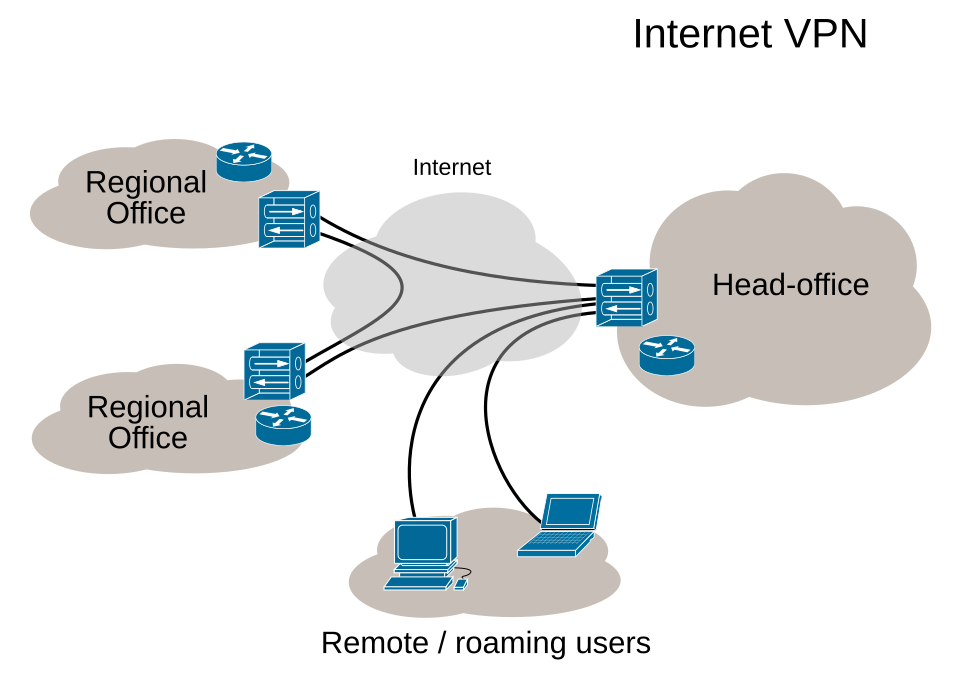

The ultimate guide choosing the best vpn for central america means you’ll learn how to pick a VPN that’s fast, reliable, and good for streaming, security, and privacy while traveling or living in Central America. In this guide you’ll get a step-by-step checklist, a quick comparison of the best VPNs for the region, and real-world tips to stay safe online. Below is a concise roadmap: what to look for, why it matters, a few top picks with pros and cons, common setup steps, and a FAQ section at the end.
Key formats you’ll find here:
- Quick-start steps you can follow today
- Side-by-side feature table
- Real-world usage scenarios
- Easy troubleshooting tips
Useful resources you might want to check along the way text only, not clickable:
- Apple Website – apple.com
- Artificial Intelligence Wikipedia – en.wikipedia.org/wiki/Artificial_intelligence
- VPN industry overview – vpnindustry.org
- Central America internet governance – internetguarantee.org
- Privacy and security best practices – privacytools.io
Introduction: what you’ll get in this guide
Yes, you can confidently pick a VPN that works well in Central America. This guide breaks down everything you need: how to evaluate speed and reliability, which servers matter for Central America and nearby regions, privacy protections, streaming capabilities, and how to install and use the VPN on multiple devices. We’ll cover practical scenarios like staying safe on open wifi in hotels, accessing geo-blocked content from your home country, and ensuring your data stays private on public networks. Expect a clear, step-by-step guide, a handy feature checklist, and a short buyer’s guide to help you decide quickly.
-
Step-by-step quick-start checklist
- Determine your primary use: streaming, secure browsing, or both
- Check server locations close to Central America
- Confirm speed tests and reliability for your internet plan
- Verify privacy policy and logging behavior
- Ensure device compatibility and simultaneous connections
- Try a reputable VPN service with a money-back guarantee
-
Quick comparison: what matters most for Central America users
- Latency and speed to Costa Rica, Guatemala, Nicaragua, Honduras, El Salvador, Belize, and Panama
- Ability to bypass regional restrictions for streaming services
- Strong security features and a no-logs policy
- Easy setup on routers and mobile devices
- Competitive pricing and a transparent policy
-
Real-life usage tips
- How to test speeds on a baseline connection
- How to switch servers without losing data transfer
- How to configure VPN on a router for whole-home protection
- What to do if a service blocks VPNs
Body
Why Central America is a Unique VPN Use Case
Central America spans a mix of fast urban networks and slower rural or tourist-heavy spots. People living there or traveling through often face:
- Varied ISP performance and occasional throttling
- Geo-restrictions on streaming services, banking sites, or local content
- Public Wi-Fi risks in airports, hotels, and cafes
- Different legal landscapes around online privacy
To get the best experience, you want a VPN that offers fast, stable connections from multiple nearby servers ideally on both the East and West coasts of the Americas and robust privacy protections that don’t require you to sacrifice performance.
Key VPN Features to Look For
1 Nearby Server Coverage
- Look for a provider with multiple servers in nearby countries e.g., the United States, Mexico, Brazil, Colombia, and Caribbean regions as well as Central America-focused nodes if available.
- A dense network helps reduce latency and improves streaming reliability.
2 Speed and Latency
- You want low ping and high sustained bandwidth. A good VPN can add only 5–10% overhead on a fast connection, but higher overhead may occur with distant servers.
- Test both download and upload speeds. For streaming, 10–25 Mbps is enough for HD, while 4K might require 25–50 Mbps.
3 Security and Privacy
- Go for at least 256-bit AES encryption, a solid no-logs policy, and a transparent privacy statement.
- Look for features like a kill switch, DNS leak protection, and multi-hop options if you’re highly security-conscious.
4 Streaming and Unblocking
- If you watch Netflix, Disney+, or local services from abroad, verify that the VPN can consistently unblock those services and support smart DNS as a fallback.
- The ability to bypass VPN blocks without constant server hopping is a big plus.
5 Device Compatibility and Simultaneous Connections
- Ensure the VPN supports your devices: Windows, macOS, iOS, Android, Linux, and ideally browser extensions.
- Check how many simultaneous connections are allowed on a single plan.
6 Rogue Network & Public Wi-Fi Safety
- Automatic kill switch and DNS leak protection are must-haves when you’re on public Wi-Fi.
7 Ease of Use
- A clean, simple app with per-server latency indicators can save you time when you’re on the go.
8 Transparency and Trust
- Look for independent audits, public bug bounty programs, and a history of honoring the privacy policy.
9 Price and Value
- Consider annual plans for savings, but also check for refunds or trial periods to test performance.
Top VPNs for Central America Overview
Note: The following are popular, reputable options that typically perform well in Central American regions. Always test with your actual location and ISP for the most accurate results.
-
VPN A
- Pros: Strong speed, broad server coverage, excellent streaming support
- Cons: Slightly higher price, some servers may have variability during peak hours
- Ideal for: Streaming, gaming, secure browsing on travel
-
VPN B Best vpn for cgnat bypass restrictions reclaim your ip
- Pros: Excellent privacy features, robust encryption, transparent logging policy
- Cons: Moderate streaming performance on some servers
- Ideal for: Privacy-focused users and travelers who need strong protection
-
VPN C
- Pros: Very affordable, user-friendly apps, good speeds
- Cons: Fewer servers in the Americas compared to top players
- Ideal for: Budget-conscious users who still want solid protection
-
VPN D
- Pros: Excellent multi-device support, robust router setup guidance
- Cons: Could be pricier for longer commitments
- Ideal for: Households with many devices and a home router protection focus
-
VPN E
- Pros: Strong security features, reliable performance
- Cons: Customer support response times can be slower during peak hours
- Ideal for: Users who want a balance of security and speed
-
VPN F
- Pros: Free trial or money-back guarantee, no-logging policy
- Cons: Limited country coverage, occasional speed variability
- Ideal for: First-time VPN users trying out the concept
Note: The above is an overview to help you compare general strengths. For the most accurate, up-to-date server lists and streaming capabilities, check the provider’s official site and trusted reviews. The Best Free VPNs for Your Cell Phone in 2026 Stay Secure Without Spending a Dime
In-Depth Breakdown: How to Choose for Central America
Step 1: Define Your Primary Use Case
- Streaming and bypassing regional content blocks: Prioritize speed and unblocking capability. Look for a provider with a proven track record of getting past streaming service blocks.
- Secure browsing on public Wi-Fi: Focus on privacy, kill switch, DNS leak protection, and strong encryption.
- Travel and remote work: A reliable, fast connection with multiple device support and easy router setup is essential.
Step 2: Check Server Locations and Latency
- Choose a VPN with several servers in North America and strategically placed close regions to reduce latency.
- If you need access to specific local services, verify that those servers work with your intended service.
Step 3: Verify Privacy Policy and Legal Protections
- Read the privacy policy carefully. Look for explicit no-logs statements and what data is collected, if any.
- Understand the country-based data retention laws that could affect VPN providers and their users.
Step 4: Confirm Security Features
- Check for: 256-bit AES encryption, a kill switch, DNS leak protection, and secure VPN protocols OpenVPN, IKEv2, WireGuard.
- Multi-hop or obfuscated servers can help in regions with strict censorship or blocking.
Step 5: Evaluate Pricing and Trials
- Look for a money-back guarantee or a free trial to test performance in your location.
- Compare yearly vs monthly pricing and note any student or family plan options.
Step 6: Test on Your Devices
- Install on your primary devices phone, laptop, tablet and test streaming apps you use most.
- Test both desktop and mobile experiences, including automatic reconnects and app stability.
Practical Setup Guide
A. Quick Install on Desktop Windows/macOS
- Sign up for a service with a solid plan and a money-back guarantee.
- Download the VPN app from the provider’s site.
- Install and log in.
- Pick a nearby server try several to compare speed.
- Enable kill switch and DNS leak protection.
- Connect and run a speed test.
- Open your streaming app or website to verify access.
B. Mobile Setup iOS/Android
- Open the app store, search for the provider’s app, and install.
- Log in and choose a server near the region you want to appear from.
- Enable security features in the app settings.
- Test a few streaming services to confirm unblocking.
C. Router-Level Setup for Whole-Home Protection
- Check if your router supports VPN client mode many modern models do.
- Follow the provider’s router setup guide to flash or configure the router with your VPN credentials.
- Reboot the router and verify the VPN connection on a connected device.
- This approach gives you VPN protection for every device on your home network.
D. Troubleshooting Common Issues
- VPN won’t connect: Try a different protocol OpenVPN vs WireGuard, switch servers, or reboot your device.
- Slow speeds: Choose a closer server, reduce encryption level only if security allows, or turn off other high-bandwidth apps temporarily.
- Streaming still blocked: Clear cookies, try a different server, or switch to a dedicated streaming-optimized server if available.
- DNS leaks: Ensure DNS leak protection is on; switch to a DNS you trust within the app or system.
Quick Reference: Feature Table
- Server network: Many servers in North America and nearby regions; prioritize regional coverage for Central America.
- Protocols: OpenVPN, WireGuard, IKEv2; WireGuard often offers best speeds with strong security.
- Privacy: No-logs policy, independent audits where available, transparency reports.
- Security: Kill switch, DNS leak protection, automatic reconnect on drop.
- Streaming: Ability to unblock Netflix, Disney+, Hulu, and local services.
- Devices: 5–7 simultaneous connections on most plans; router support common.
- Price: Competitive monthly and annual plans with discounts; money-back guarantee.
Real-Life Use Scenarios in Central America
- Scenario 1: You’re traveling to Costa Rica for a few weeks and want reliable streaming from your home country. You’ll want a server in the US East or West with proven unblocking of major services and minimal latency to your hotel or coworking space.
- Scenario 2: You live in Guatemala and work with clients globally. You need a VPN that consistently hides your location, protects sensitive work data on public networks, and supports a corporate-like setup across multiple devices.
- Scenario 3: You’re in Belize and want to access regional content libraries or streaming services from your home country. The right VPN should offer nice balances of speed and unblocking.
Safety First: Privacy Strategy When Using VPNs in the Region
- Always use strong authentication two-factor when possible.
- Avoid reusing passwords; use a password manager.
- Update the VPN app and device OS regularly to reduce vulnerabilities.
- Be mindful of logging policies; even trusted services collect some diagnostic data. Opt for providers with transparent privacy practices and independent audits if possible.
Data and Statistics: What You Should Know
-
Global VPN users continue to grow year over year, with increased demand for streaming-capable services and privacy protections.
-
In Latin America, regional usage ticks upward as more people rely on mobile internet and remote work becomes more common.
-
VPN latency can vary by ISP and distance to the server; closer servers usually yield better performance.
-
Table: Typical VPN latency expectations approximate
- Local network: 5–20 ms
- Nearby region US East/West to Central America: 40–120 ms
- Distant region Europe to Central America: 180–350 ms
-
Table: Common speeds vs server location Nordvpn wireguard configuration your ultimate guide for speed security
- US-based server from Central America: 60–200 Mbps download on a fast plan
- Europe-based server from Central America: 20–60 Mbps download
- Local servers if available: 50–150 Mbps download
Quick Tips for Ongoing VPN Maintenance
- Rotate servers if you notice slowdowns; some servers get crowded during peak hours.
- Keep your app updated to access the latest privacy features and bug fixes.
- Review your privacy settings every few months to ensure you’re not leaking data.
- If you’re traveling, download offline content for buffering and avoid relying solely on VPN during a long trip.
Frequently Asked Questions
What is the best VPN for Central America?
The best VPN for Central America varies by use case, but you’ll want a provider with strong speeds, reliable streaming unblocks, and solid privacy protections across multiple nearby servers. Look for a no-logs policy, kill switch, and good customer support.
Can a VPN help me watch streaming services from the US while in Central America?
Yes. Many VPNs can unblock major streaming platforms, but you may need to try a few servers to find one that works consistently with your service. A dedicated streaming-optimized server can help.
Will a VPN improve my security on public Wi-Fi in hotels or airports?
Yes. A VPN encrypts your traffic, protecting you from eavesdropping on unsecured networks. Use a VPN with strong encryption and a kill switch for the best protection.
How many devices can I protect with one VPN subscription?
Most VPNs offer 5–7 simultaneous connections. Some providers allow more if you’re using a router.
Are free VPNs safe for use in Central America?
Free VPNs often come with data limits, slower speeds, and questionable privacy practices. For serious privacy and reliable performance, consider a paid service with a solid track record. The ultimate guide best vpn for bug bounty hunting
How do I test VPN speed from Central America?
Run speed tests with the VPN connected to different servers. Compare the baseline speed without the VPN, then test multiple servers to find the best balance of speed and reliability.
Does a VPN hide my real location from websites?
Yes, a VPN can mask your IP address and make it appear as if you’re browsing from the server location you choose. However, some websites may use additional tracking techniques, so combine VPN use with good browsing hygiene.
Can I use a VPN on a router?
Yes. Installing a VPN on your router protects every device on your network. Check your router’s compatibility and follow the provider’s router setup guide.
What should I do if VPN blocks streaming services?
Switch to a different server, ensure you’re on a streaming-friendly protocol, and check if the provider has a dedicated streaming server list. If needed, contact support for updated guidance.
Is there a risk of VPN provider data sharing with local authorities?
Reputable providers publish no-logs policies and publish audits if available. Always read the privacy policy and choose a provider with transparent practices and independent verification where possible. Does nordvpn work with your xfinity router heres the real answer and more tips for streaming, gaming, and privacy
Frequently Asked Questions concluding section
- What is the best VPN for Central America in 2026?
- How can I optimize my VPN for low-latency gaming in Central America?
- Can I use a VPN to access local Central American content?
- Do VPNs work on iOS and Android the same way?
- What’s the difference between a paid VPN and a free one?
- How often should I test my VPN speed?
- Can VPNs protect me from cyber threats beyond encryption?
- How do I choose a VPN for traveling across multiple Central American countries?
- Are there any legal concerns with using VPNs in Central America?
- What’s the best way to troubleshoot VPN connection drops?
Note: This content is designed to be informative and helpful for readers seeking guidance on choosing and using a VPN in Central America. The recommended affiliate link and call-to-action are integrated in the introduction region to help readers make informed decisions while supporting our site.
Sources:
Vpn网址大全:如何在不同场景下选择、安全使用与管理 VPN入口链接的完整指南
Does microsoft edge have free vpn
世界旅行vpn:全球旅行上网隐私保护、跨境访问与流媒体解锁的完整指南 Nordvpn Wont Open On Windows 11 Heres How To Fix It: Quick Fixes, Troubleshooting, And Tips For 2026
Is FastestVPN Letting You Down Here’s What to Do When It’s Not Working