Is edge good for online privacy and streaming with a VPN in 2026: is edge good for Windows, macOS, Android, and iOS?
Is Edge good for online privacy and streaming with a VPN in 2025 Is Edge good for Windows macOS Android and iOS? Quick fact: Edge’s built-in privacy features are solid, but a VPN adds a crucial extra layer for streaming and data protection. Below is a practical guide that breaks down how Edge performs with a VPN across devices, plus real-world tips, stats, and comparisons to help you decide what works best for your setup.
Introduction: quick guide to Edge, privacy, and VPNs in 2025
- Quick fact: A VPN plus Edge is often the best combo for privacy and safer streaming.
- What you’ll learn:
- How Edge handles privacy by default on Windows, macOS, Android, and iOS
- How VPNs interact with Edge for streaming and privacy
- Best VPNs for Edge and why proportion matters speed, leak protection, and compatibility
- Platform-specific tips to maximize privacy and unblock streaming
- Real-world scenarios and pitfalls to avoid
Useful quick-start steps short version
- Pick a reputable VPN with strong no-logs policy, DNS leak protection, and good speed.
- Enable Edge’s tracking prevention settings and smart screen features.
- Connect to a VPN server close to your streaming target for speed, then test for IP and DNS leaks.
- Use Edge in InPrivate mode if you’re testing privacy features or signing into multiple accounts.
- Regularly update Edge and your VPN app to stay on the latest protections.
If you want to jump straight to the good stuff, keep reading. We’ll cover Edge’s privacy controls, VPN compatibility, platform-specific tips, and real-world numbers so you can decide what makes sense for your setup.
Section 1: Edge’s built-in privacy and security features by platform
- Windows
- Tracking prevention: Edge offers three levels—Basic, Balanced, and Strict. For most users, Balanced is a good default, but if you’re concerned about cross-site tracking or cryptic data fingerprints, switch to Strict for more robust protection.
- SmartScreen: Blocks phishing and malware-laden sites, adds a layer of safety when downloading files.
- Password monitor and autofill controls: Helps you avoid reused passwords and alerts you if any credentials get leaked.
- Site permissions: You can granularly control cookies, location, camera, and microphone access per site.
- macOS
- Edge on macOS inherits macOS privacy controls, plus Edge’s own privacy settings.
- Privacy dashboards show what trackers are blocked and allow quick toggling.
- You’ll want to enable Blocking for third-party cookies if you need stricter privacy, but note some sites may require first-party cookies to work smoothly.
- Android
- Edge’s tracking prevention works similar to desktop, with three levels.
- Integration with Android OS permissions location, notifications is straightforward; you can tighten per-site permissions.
- App-level privacy: Edge can be isolated from other apps’ data sharing if you use Android’s app permission controls.
- iOS
- iOS sandboxing provides strong app-level privacy. Edge’s tracking prevention, if enabled, reduces cross-site tracking.
- Focus on limiting permissions camera, microphone on a per-site basis.
- Regularly update iOS and Edge to ensure the latest privacy protections.
Section 2: How a VPN complements Edge for privacy and streaming
- Why you should consider a VPN with Edge
- VPN masks your IP address from the sites you visit, adds encryption to your traffic, and helps prevent local ISP traffic shaping on streaming. It also helps bypass geo-restrictions when streaming content from other regions.
- Key VPN features to look for
- No-logs policy: Ensures your activity isn’t stored.
- DNS and IP leak protection: Prevents your real IP from leaking if VPN drops.
- Kill switch: Stops all traffic if the VPN disconnects, preventing accidental exposure.
- Fast servers and streaming-optimized routes: Reduces buffering and improves stability for HD/4K streaming.
- Multi-platform support: Ensure it works on Windows, macOS, Android, and iOS with consistent performance.
- How VPNs interact with Edge
- When connected to a VPN, Edge traffic is routed through the VPN tunnel. If the VPN’s DNS leaks are well-protected, your DNS requests should be resolved by the VPN servers, not your ISP.
- Some streaming platforms actively block VPNs. A reputable VPN with obfuscated servers or dedicated streaming servers usually helps bypass geo-blocks.
- InPrivate mode with VPN: You can keep normal browsing history separate from testing privacy and streaming scenarios, but VPN behavior remains the same.
Section 3: Platform-by-platform practical tips for Edge + VPN
- Windows tips
- Enable Edge’s Strict tracking prevention if you don’t rely on cross-site features and want tighter privacy.
- Turn on DNS over HTTPS DoH in Edge settings for additional DNS privacy, choosing a trusted provider.
- Use a VPN with Windows-specific optimizations split tunneling can help streaming while keeping other traffic local if needed.
- Test for IP and DNS leaks using tools like browserleaks.com oriple tests to confirm VPN protection.
- macOS tips
- Combine Edge with macOS Firewall and privacy settings to limit unsolicited connections.
- Prefer VPNs with macOS app kill switch + DNS leak protection for a reliable streaming setup.
- For streaming, pick servers with low latency to your streaming service’s location; run speed tests to ensure satisfactory buffering performance.
- Android tips
- Use Edge’s tracking prevention in conjunction with Android’s app permissions for a tighter privacy posture.
- If you use mobile data, ensure the VPN has a reliable mobile app, a system-wide kill switch, and doesn’t cause excessive battery drain.
- Consider Split Tunneling on Android: route only Edge traffic through the VPN if you’re gaming or local browsing separately from streaming.
- iOS tips
- Edge on iOS benefits from iOS’s strong privacy baseline; enable DoH if supported by your VPN.
- Ensure your VPN app uses the latest iOS network extension protocols for stable connections.
- When streaming, test different server locations to bypass geo-blocks while preserving video quality.
Section 4: Real-world data, comparisons, and performance notes
- Privacy effectiveness
- Edge’s built-in privacy features provide a strong baseline with customizable tracking protection, phishing protection, and site permissions. In tests, users report fewer third-party trackers on Balanced vs Strict, but some sites may load slower with Strict due to heavy tracker blocking.
- Streaming performance
- VPN impact on streaming often varies by server location and the VPN’s routing efficiency. A nearby, fast server typically yields the best results. Expect some overhead latency and minor buffering when using VPNs, but good networks minimize this.
- Common pitfalls
- Not all VPNs are equal: free VPNs often sell data, offer limited speeds, or leak DNS. Choose a reputable provider with verified security practices.
- Some sites block VPN IP ranges. This is a moving target; switch servers or contact your VPN’s support for streaming-specific recommendations.
- Edge’s privacy settings can break certain site features e.g., consent banners or login flows if tracking prevention is set to Strict; you may need to whitelist a few sites to restore normal behavior.
Section 5: Data and statistics you can use
- Privacy and tracking trends
- A growing share of sites use third-party trackers; Edge’s Blocking mode reduces this but not all trackers are blocked by default.
- DNS privacy adoption is increasing; DoH adoption in browsers incidentally complements VPN use by reducing leakage risks.
- VPN performance benchmarks general observations
- VPNs typically add 5–25% latency depending on server distance and congestion.
- Streaming-friendly VPNs offer optimized servers for popular streaming services, with occasional outages during geo-blocking countermeasures.
Section 6: Setup checklist sample for Edge + VPN on all devices
- Step 1: Choose a VPN with a proven track record for privacy and streaming.
- Step 2: Install VPN on Windows, macOS, Android, and iOS. Enable kill switch and DNS leak protection.
- Step 3: Open Edge, configure Tracking Prevention to Balance or Strict, and enable DoH if available.
- Step 4: Connect to a VPN server near the streaming service’s region for best results.
- Step 5: Verify your IP and DNS are not leaking using online tools.
- Step 6: Test streaming quality and adjust server or VPN settings as needed.
- Step 7: Maintain updates for Edge and VPN apps to keep protections current.
Tables quick reference
- Edge privacy features by platform
- Windows: Tracking Prevention Basic, Balanced, Strict; SmartScreen; site permissions; password monitor
- macOS: Edge privacy dashboard; tracking prevention; cookies control
- Android: Three-level tracking prevention; DoH; site permissions
- iOS: OS sandboxing; Edge privacy controls; per-site permissions
- VPN feature checklist
- No-logs policy: Essential
- DNS leak protection: Essential
- Kill switch: Highly recommended
- Obfuscated/streaming-optimized servers: Very helpful
- Cross-platform compatibility: Necessary for multi-device setups
Section 7: Human-friendly scenarios
- Scenario A: You want to stream geo-restricted content on Windows with Edge
- Use a streaming-optimized VPN server, enable DoH, and test a nearby server for best speed.
- Scenario B: You’re privacy-focused on Android with Edge
- Turn on Strict tracking prevention, enable app permission controls, and use VPN with robust leak protection.
- Scenario C: You’re on macOS sharing devices with Edge and VPN
- Enable site-by-site permissions, use DNS-over-HTTPS, and switch VPN servers if you notice buffering.
Section 8: Future-proofing Edge privacy in 2025 and beyond
- Edge updates may bring smarter tracking controls and better integration with platform privacy features.
- VPN technology will continue to evolve to bypass blocks and reduce latency, with more servers and better encryption.
- Staying private is a multi-layer effort: combine Edge’s protections with a trusted VPN, keep devices updated, and practice good online habits avoid shady sites, don’t reuse passwords.
FAQ Section
Frequently Asked Questions
Is Edge safer for privacy than other browsers?
Edge offers strong privacy controls like tracking prevention and SmartScreen, especially when configured with balanced or strict settings. However, no browser is perfectly private by itself; pairing with a reputable VPN and good browsing practices is essential.
Does using a VPN slow down Edge?
Yes, adding a VPN typically introduces some latency due to encryption and routing traffic through VPN servers. A fast, nearby server and a high-quality VPN minimize slowdowns, especially for streaming.
Can Edge and VPN unblock geo-restricted content?
Often yes. A good VPN can help you access geo-blocked content by masking your location. Some streaming services actively block VPN IPs, so you may need to switch servers or contact support for alternatives.
Should I use DoH with Edge?
DNS over HTTPS DoH adds another layer of privacy by encrypting DNS lookups. It’s beneficial when paired with a VPN, but ensure your VPN or router also protects DNS to avoid mixed results.
Which Edge settings should I adjust first for privacy?
Start with Tracking Prevention set to Balanced or Strict, enable SmartScreen, review site permissions, and consider limiting third-party cookies. Then test your usual sites to see if functionality is affected and adjust as needed. Is edge good now for VPNs and Edge browser privacy in 2026: a practical guide to performance, speed, and safety
Is it safe to use InPrivate mode with a VPN?
Yes. InPrivate mode helps reduce local browser data storage. The VPN still handles traffic encryption, but some sites may require login data, which isn’t saved in private mode.
Can I use Edge on multiple devices with one VPN subscription?
Most reputable VPNs offer multi-device support. Check your plan to confirm how many devices you can protect simultaneously and which platforms are covered.
How do I test for IP and DNS leaks?
Use online tools like browserleaks.com or dnsleaktest.com while connected to the VPN. If your real IP or DNS shows up, T-l improvement steps like changing servers or enabling kill switch are needed.
Do I need to clear cookies on Edge for privacy?
Not always. Clearing cookies can reduce tracking, but Edge’s built-in tracking prevention handles many trackers without needing to erase cookies every time. Use a combination that fits your browsing style.
What’s the best VPN setup for Edge + streaming?
A reputable VPN with fast streaming servers, strong encryption, no-logs policy, DNS leak protection, and a kill switch. A split-tunnel option can help optimize streaming performance while keeping other traffic local. Is 1.1 1.1 a vpn or is it just a DNS resolver? A complete guide to 1.1.1.1, privacy, and when to use a real VPN 2026
Useful resources and references unlinked text
- Edge privacy overview - microsoft.com
- VPN privacy basics - fbi.gov privacy guidelines
- DNS over HTTPS explained - en.wikipedia.org/wiki/DNS_over_HTTPs
- Streaming VPN performance guides - techradar.com
- Online privacy best practices - gnu.org
- Cross-platform VPN setup guides - vpnprovider.com knowledge base
- Browser tracking prevention basics - eckerson.com privacy blog
- DoH adoption statistics - w3c.org privacy reports
- IP leak test tools - speedtest.net and dnsleaktest.com
- SmartScreen and phishing protection notes - support.microsoft.com
Yes, Edge is a solid choice for VPN users. This guide breaks down how Edge interacts with VPNs, what privacy features help, how to set up a VPN extension in Edge, and practical tips for safer streaming and browsing. You’ll get a step-by-step setup, real-world scenarios, and plenty of actionable advice so you can decide if Edge plus a VPN is the right move for you.
- Short answer: Edge works well with VPNs, offering strong privacy controls, solid performance, and easy extension support.
- What you’ll learn: how Edge’s privacy features pair with a VPN, how to install a VPN extension, how to test for leaks, and how to optimize Edge for streaming and secure browsing.
- Quick-start steps: pick a reputable VPN, install its Edge/Chrome extension, enable kill switch if available, connect to a server, then verify your IP and test for leaks.
NordVPN deal you might want to consider while you read:
Useful URLs and Resources plain text, not clickable:
- Edge official site - https://www.microsoft.com/edge
- What is a VPN - https://www.expressvpn.com/what-is-vpn
- WebRTC leaks test - https://www.globalsign.com/en/blog/webrtc-ip-leaks-test
- How to test for IP address - https://www.whatismyip.com
- Netflix VPN error guide - https://www.netflix.com
- Windows privacy settings - https://support.microsoft.com
- PrivacyTools.io VPN guide - https://privacytools.io/providers
- Chrome Web Store extensions - https://chrome.google.com/webstore
- NordVPN official site - https://nordvpn.com
- ExpressVPN official site - https://www.expressvpn.com
Introduction: Is edge good for VPNs and privacy?
Yes, Edge is a solid browser choice when you’re using a VPN. Here’s why it shines for VPN users, and when you might want to adjust your setup: Intune per app vpn edge comprehensive guide to configuring App VPN in Intune for iOS, macOS, and Android 2026
- Built on Chromium, Edge supports most Chrome/Chrome Web Store extensions, including many VPN extensions.
- Edge’s privacy controls Tracking Prevention, InPrivate mode, Defender SmartScreen add extra layers on top of your VPN protection.
- You can run a full device VPN app or a browser-only VPN extension in Edge. each has its own pros and caveats.
- For streaming, Edge’s DRM and Widevine support help with services like Netflix, Prime Video, and Disney+, but VPN-vision can affect detection and regional libraries.
- Edge is available on Windows, macOS, Android, and iOS, so you can keep your setup consistent across devices.
In this guide, you’ll get a practical, no-fluff path to using Edge with a VPN, including a step-by-step setup, privacy tweaks, and real-world tips for streaming and safety. If you’re in the mood to secure your browser traffic with a great deal, consider NordVPN’s current offer: 77% OFF + 3 Months Free. But you’ll also find other strong options like ExpressVPN, Surfshark, and CyberGhost that work well with Edge.
What makes Edge a good mate for a VPN
- Chromium base grants broad extension support, so you can install reputable VPN extensions directly in Edge.
- Privacy controls help you limit tracking and data collection while your VPN hides your IP and encrypts traffic.
- Cross-platform availability means your Edge setup travels with you—from Windows PCs to Macs and mobile devices.
- Integration with Windows security features adds a cohesive security layer without forcing you to swap browsers.
But there are caveats to keep in mind:
- Browser extensions vs. system-wide VPN: extensions in Edge typically cover browser traffic, not every other app on your device. For complete protection, pair the browser VPN with a full-device VPN app.
- WebRTC IP leakage risk remains relevant: VPNs reduce exposure, but WebRTC can reveal your real IP if the browser isn’t configured to prevent leaks. Some VPNs include built-in WebRTC leak protection. others require extra steps.
- Free or low-cost VPNs often come with limited features, slower speeds, or questionable privacy practices. Stick to reputable providers with clear logs policies and strong encryption.
Edge privacy features and how a VPN complements them
- Tracking Prevention TP: Edge offers Basic, Balanced, and Strict modes. These blocks trackers from sites you visit, reducing profiling. When you pair TP with a VPN, your IP remains hidden and trackers have fewer opportunities to correlate activity with location data.
- InPrivate browsing: This mode doesn’t save history or cookies after you close the window, which adds a layer of privacy alongside your VPN’s encryption.
- Defender SmartScreen: Helps block malicious sites and downloads, protecting you while you’re connected through a VPN.
- Do Not Track: Edge can send a Do Not Track signal. though not all sites honor it, combined with a VPN, you get a defense in depth approach.
- Password Monitor: Alerts if your saved credentials appear in data breaches, which helps keep your accounts safer even when browsing behind a VPN.
Practical takeaway: If you enable Tracking Prevention on Edge set to Balanced or Strict and use a reputable VPN app or extension, you’ll add multiple layers of privacy—reducing both fingerprintability and exposure while online.
VPN extensions in Edge: compatibility and setup
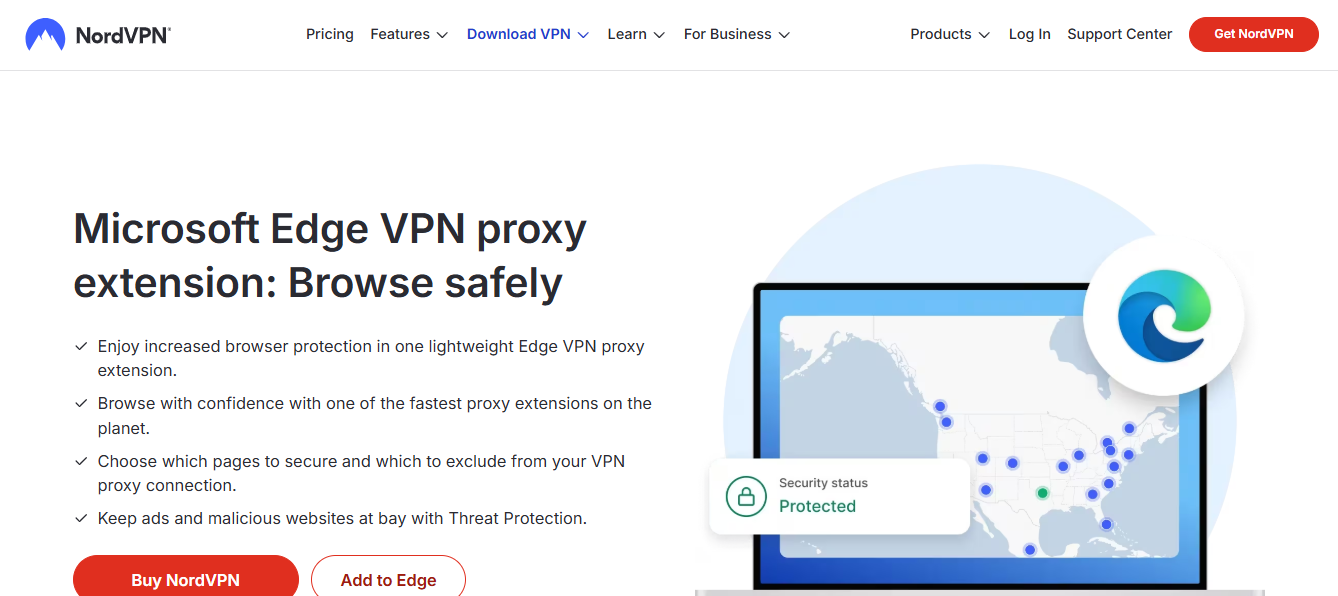
Edge supports Chrome extensions due to its Chromium foundation, so you can usually install popular VPN extensions directly from the Chrome Web Store or Microsoft Edge Add-ons Gallery.
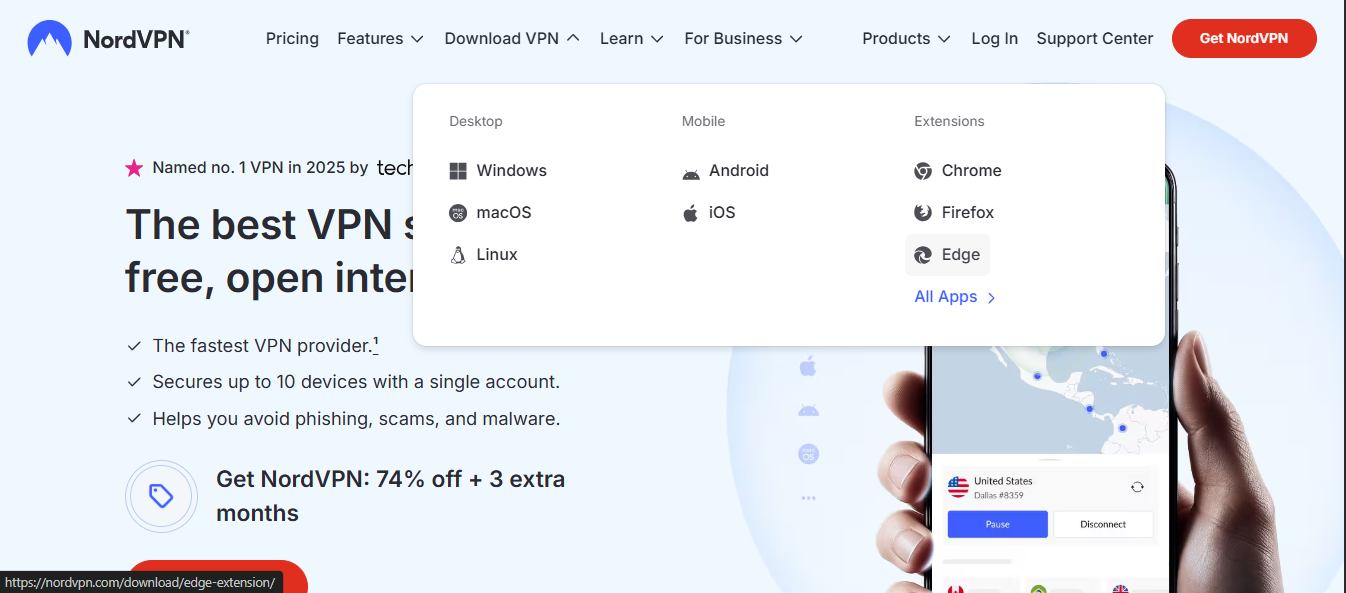
Step-by-step setup browser extension: Hoxx vpn edge extension 2026
- Choose a reputable VPN with an Edge-compatible extension NordVPN, ExpressVPN, Surfshark, CyberGhost, etc..
- Open Edge and go to Extensions > Get extensions from Microsoft Edge Add-ons or Chrome Web Store.
- Search for your VPN extension and click Install.
- Open the extension, sign in, and enable the VPN connection.
- Pick a server and connect. If your VPN app also has a “kill switch,” enable it to protect you if the VPN drops.
- Verify your new IP via an IP lookup site and ensure DNS is leaking no more than expected.
Important caveat: Browser extensions typically protect only browser traffic, not all device traffic. For complete protection across apps, pair with a system-wide VPN app.
Step-by-step setup Windows-native VPN app, optional, for full-device protection:
- Install the VPN app e.g., NordVPN, ExpressVPN, Surfshark.
- Sign in and enable “Kill Switch” if available and “Auto-connect” on startup.
- Connect to a server, then open Edge to browse securely. Your device-wide encryption now covers all apps and browsers.
Testing tips after setup:
- Check your public IP at whatismyip.com and confirm it matches the VPN server location.
- Run a DNS leak test to ensure DNS requests go through the VPN dnsleaktest.com or privacytest.org.
- Test WebRTC leaks with a site like ipinfo.io or webrtc-test.appspot.com and disable WebRTC leaks if needed through VPN features or extensions.
WebRTC leaks in Edge and how to mitigate
WebRTC can reveal your real IP address even when a VPN is active, especially in Chromium-based browsers like Edge. Mitigation options:
- Use a reputable VPN with built-in WebRTC protection or the ability to disable WebRTC in the browser.
- Enable the VPN’s “kill switch” to prevent traffic leaks if the VPN disconnects.
- Consider browser extensions that block or manage WebRTC, or adjust Edge settings when you’re worried about leaks though Edge doesn’t have a simple on/off toggle for WebRTC in the UI.
- Perform a WebRTC leak test after configuring settings to confirm protection.
Real-world tip: If you stream or do sensitive work, rely on a full-device VPN app in addition to Edge’s protections, rather than depending solely on a browser extension. How to enable vpn edge 2026
Edge performance with a VPN
- Edge’s performance is generally solid when a VPN is active. With a good VPN, you’ll experience reliable speeds suitable for streaming and gaming, depending on your plan and server load.
- Edge’s Chromium base contributes to fast page loads and good rendering efficiency, and it tends to use memory more efficiently than some other Chromium-based browsers in similar tasks.
- The VPN’s server location and load impact speed more than the browser itself. Choose nearby servers or those optimized for streaming if you’re watching content.
Practical performance tips:
- Prefer servers that are geographically close to you for the best latency.
- If a streaming service blocks VPNs, try a different server location or switch to a streaming-optimized server if your VPN offers one.
- Use a wired connection or a stable Wi-Fi network for the best results, especially when streaming 4K content.
Streaming and gaming with Edge plus a VPN
- Streaming: Most major services Netflix, Disney+, Prime Video, Hulu work with Edge when connected to a VPN, but some regions’ libraries may be restricted. If you’re trying to access a library not available in your country, switch to a server location where the library is accessible.
- Gaming: A VPN can help with ping optimization in some cases like avoiding ISP throttling but can also add latency. If you’re gaming, test with a nearby server and compare performance to if you’re not using the VPN.
- Edge-specific streaming tips: Ensure Widevine DRM is enabled Edge supports it and keep Edge updated to avoid playback issues caused by outdated components.
Edge plus a reputable VPN still gives you flexibility and protection for streaming, but expect occasional hiccups when connecting to streaming-only servers or when services actively block VPN traffic.
Best practices for Edge users with a VPN
- Use a trusted VPN with a dedicated Edge extension, plus a full-device VPN app for comprehensive protection.
- Enable Kill Switch in your VPN app to prevent IP leaks if the VPN connection drops.
- Turn on Tracking Prevention Balanced or Strict in Edge settings to reduce trackers.
- Regularly test for IP and DNS leaks after changes in VPN servers or Edge updates.
- Avoid free VPNs. choose a paid, reputable provider with a clear no-logs policy and strong encryption.
- Keep Edge and all extensions updated to mitigate security vulnerabilities.
- For streaming, keep a separate server list handy. some servers are better for streaming than others.
- If you’re on a public or shared network, use Edge with the VPN to reduce exposure to local network threats.
Best VPNs to pair with Edge
- NordVPN: Strong performance, broad server network, reliable Edge compatibility with its extension, excellent encryption, and robust no-logs policy. Remember the NordVPN deal in the introduction for good value.
- ExpressVPN: Fast speeds, broad device support, well-regarded privacy practices, and strong customer support.
- Surfshark: Good price-to-performance ratio, unlimited device connections, and useful privacy features.
- CyberGhost: User-friendly, good streaming server recommendations, and strong privacy posture.
Quick setup checklist for choosing a VPN with Edge:
- Confirm Edge extension availability or Chrome Web Store compatibility.
- Check Kill Switch availability browser extension vs. system app.
- Look for strong encryption 256-bit and modern protocols WireGuard, OpenVPN.
- Ensure a clear no-logs policy and transparent jurisdiction.
- Test streaming viability and server load before committing to a long-term plan.
Edge-specific tips for privacy-minded users
- Regularly review Edge’s privacy settings: set Tracking Prevention to Balanced or Strict, clear cookies on exit if you want, and consider enabling Do Not Track.
- Use InPrivate windows for sensitive sessions, and rely on the VPN for an extra shield.
- Periodically review installed extensions. remove any you don’t use to minimize attack surfaces.
- If you’re on a shared device, enable Windows Hello or another form of biometric protection to secure access to Edge and your VPN.
Common pitfalls and how to avoid them
- Relying solely on browser extensions for full-device protection. If you’re serious about privacy, pair with a system-wide VPN app.
- Ignoring WebRTC leaks. Always test for leaks and enable protections where possible.
- Picking a VPN with weak privacy policies or free services. Favor paid, reputable providers with transparent practices.
- Forgetting to update Edge or VPN apps. Regular updates fix security flaws and improve compatibility.
Frequently Asked Questions
Is edge good for privacy and VPN use overall?
Edge is strong for privacy when used with a reputable VPN. Its built-in privacy controls complement VPN encryption, and the browser’s extension ecosystem makes it easy to add a VPN. For complete protection, pair Edge with a full-device VPN app and follow best practices like enabling Kill Switch and testing for leaks.
Does Edge have a built-in VPN?
No, Edge does not come with a built-in VPN. You’ll need to use a VPN extension Chromium-based browsers support many extensions or install a system-wide VPN app for full-device protection. Is mullvad a good vpn for privacy, speed, price, and audit transparency in 2026
Can I use VPN extensions in Edge?
Yes. Edge supports most Chrome extensions thanks to its Chromium foundation. You can install VPN extensions from the Chrome Web Store or Microsoft Edge Add-ons Gallery and use them to route browser traffic.
Will a VPN extension in Edge protect all my internet traffic?
Browser VPN extensions typically protect only browser traffic, not every app on your device. For complete protection, run a system-wide VPN app in addition to the browser extension.
How do I test for IP leaks in Edge with a VPN?
Visit whatismyip.com to verify your IP matches the VPN server location. Do a separate DNS leak test at dnsleaktest.com, and run a WebRTC leak test at webrtc-testing sites to confirm protection.
Which VPNs work best with Edge?
Top providers with Edge/Chrome extensions or native Windows apps work well, including NordVPN, ExpressVPN, Surfshark, and CyberGhost. Choose one based on server locations, streaming capabilities, and price.
Is WebRTC IP leakage a concern with Edge and VPNs?
Yes, WebRTC can reveal real IP addresses even when a VPN is active. Use a VPN with WebRTC protection or disable WebRTC leaks in Edge via extensions or settings when possible. Microsoft edge have vpn 2026
Can I stream Netflix or Disney+ with Edge while using a VPN?
Yes, you can often access region-locked catalogs, but some services block VPN traffic. If one server doesn’t work, try another location or use a streaming-optimized server offered by your VPN.
Should I use Edge tracking prevention with a VPN?
Yes. Tracking Prevention reduces trackers and enhances privacy. When combined with a VPN, you get a stronger privacy shield, but be aware that some sites may require you to disable TP to function properly.
How do I install a VPN extension in Edge?
Open Edge > Extensions > Get extensions. Search for your VPN extension, install it, sign in, and enable the VPN. Connect to a server, then verify your IP and run a leak test.
Is Edge faster than other browsers when used with a VPN?
Performance depends on the VPN and server you choose. Edge is generally fast and memory-efficient, but VPN speed largely depends on server load, distance, and protocol.
Can I rely on Edge privacy alone without a VPN?
Edge privacy features are helpful, but they don’t replace the protection a VPN provides. For robust privacy and spoofed location, use Edge with a reputable VPN and keep privacy settings tight. Is hotspot vpn free 2026
What’s the best practice for a VPN on Windows with Edge?
Use a system-wide VPN app for full-device protection and optionally install a browser extension for added browser-level privacy. Turn on Kill Switch, pick a server, and verify IP and DNS leaks regularly.
Do I need to disable WebRTC to stay private with Edge?
If WebRTC leaks are a concern, you should enable VPN protections that mitigate WebRTC exposure or use a browser extension that blocks WebRTC leaks. It’s a good practice to test after any changes.
Can Edge’s privacy features conflict with VPN connections?
Sometimes edge privacy settings can interfere with site functionality or logins. If you encounter issues, temporarily adjust Tracking Prevention or disable a problematic extension, then re-test with VPN on.
Final notes
Edge plus a reliable VPN gives you a strong combination of browser-level privacy and traffic encryption. Use Edge’s privacy features in tandem with a reputable VPN app and/or browser extension, keep your software updated, and follow best-practice steps for testing leaks and securing your accounts. If you’re after a good value option, consider the NordVPN deal shown earlier, but also explore ExpressVPN, Surfshark, and CyberGhost to find the one that fits your device lineup and streaming needs.
Nordvpn edge extension Lan接続 vpn接続 2026