Is vpn safe for ifr heres what you need to know
Is VPN safe for IFR? Here’s what you need to know. A quick fact: using a VPN can protect your data on public networks, but not all VPNs are created equal, and some come with privacy or security trade-offs. In this guide, I’ll lay out everything you need to know to stay safe, especially if you’re dealing with sensitive information or restricted content online. Below is a practical, reader-friendly overview with real-world tips, plus a step-by-step approach and plenty of resources to deepen your understanding.



- Quick-start checklist
- How VPNs work and what they protect
- Common VPN pitfalls and myths
- Choosing a VPN for IFR-related use
- Safety tips and best practices
- Real-world scenarios and cost considerations
- FAQs that cover the basics and edge cases
VPNs can be a lifesaver when you’re connected to public Wi-Fi or trying to access geo-blocked content, but they aren’t magic shields. The right VPN will keep your data private, mask your IP address, and help you bypass regional restrictions without slowing you down. The wrong one can log your activity, leak DNS requests, or expose you to malware through rogue apps. This guide breaks down the essentials, with practical steps you can take today.
- What you’ll learn
- How VPNs work at a glance
- What to verify before you trust a VPN
- Concrete steps to stay safe while using IFR services or accessing restricted content
- How to monitor for leaks and protect your devices
Useful resources and URLs text only Apple Website - apple.com, Artificial Intelligence Wikipedia - en.wikipedia.org/wiki/Artificial_intelligence, VPN privacy guidelines - en.wikipedia.org/wiki/Virtual_private_network, Mozilla security guide - infosec.mozilla.org, CIS benchmarks - cisecurity.org, World Economic Forum privacy report - www.weforum.org
Why people use VPNs
- Privacy and anonymity on the internet
- Access to geo-restricted content
- Safer browsing on public Wi-Fi
- Bypassing ISP throttling in some cases
How VPNs work: a simple breakdown
- Encryption tunnel: Your device creates an encrypted tunnel to a VPN server, which then forwards your traffic to the internet.
- IP masking: The site you visit sees the VPN server’s IP, not your real IP.
- DNS handling: A good VPN hides DNS requests, preventing leaks that could reveal your browsing history.
- Tunneling protocols: OpenVPN, WireGuard, IKEv2 are common choices, each with trade-offs in speed and security.
Real-world numbers and trends
- Market growth: The consumer VPN market has grown at a compound annual growth rate CAGR of around 15–20% over the last few years.
- Speed impact: A well-optimized VPN often adds 5–15% latency and 10–25% bandwidth overhead, depending on distance and server load.
- Privacy claims: Not all VPNs log nothing—some maintain minimal logs for network troubleshooting, while others collect extensive data.
Key safety concerns with VPNs
- Logging policies: Look for a clear no-logs promise audited by a third party.
- Jurisdiction: Privacy laws differ by country; some jurisdictions require data retention or provide government access.
- DNS leaks: Even with a VPN, DNS requests can leak if the app isn’t configured correctly.
- IP leaks: WebRTC or IPv6 leaks can reveal your real IP even when a VPN is active.
- Malware and tracking: Some free VPNs inject ads or sell data; stick to reputable providers.
- Kill switch and auto-connect features: Essential for staying protected if the VPN drops.
- Device security: VPN is only as good as the device it runs on—malware on your device can bypass VPN protections.
How to choose a VPN for IFR use
- Strong encryption: 256-bit AES or better.
- Trusted protocols: Prefer WireGuard or OpenVPN for a balance of speed and security.
- No-logs policy: Look for external audits or certifications.
- DNS and IPv6 leak protection: Ensure the provider blocks leaks.
- Kill switch: Automatic protection if the VPN disconnects.
- Independent audits: Regular third-party security assessments.
- Jurisdiction: Favor privacy-friendly locations with strong legal protections.
- Performance: Solid speeds, low latency, reliable uptime.
- Customer support: 24/7 help with clear incident response procedures.
- App privacy practices: Minimal data collection, clear permissions, and transparent terms.
How to verify a VPN’s trustworthiness
- Read the privacy policy line-by-line for data collection.
- Check for independent security audits and their latest dates.
- Look for courtroom or government data requests transparency reports.
- Review user reviews focused on privacy and data handling.
- Test for leaks: use reputable online tools to check for IP, DNS, and WebRTC leaks.
Step-by-step setup for safer use
- Choose a reputable VPN with a strong privacy track record.
- Install the official app from the provider’s site or stores.
- Enable the kill switch and DNS leak protection.
- Select a server in a privacy-friendly jurisdiction if that aligns with your goals.
- Use WireGuard or OpenVPN where possible for best security.
- Turn off IPv6 on devices or in VPN settings to prevent leaks.
- Regularly update the VPN app and your device OS.
- Run periodic leak tests IP, DNS, WebRTC after setup and after any app update.
- Use multi-factor authentication for your VPN account.
- Consider additional privacy tools privacy-focused browsers, ad blockers, etc..
Public Wi-Fi and IFR safety tips
- Avoid sensitive transactions on unsecured networks, even with a VPN.
- Prefer VPNs with automatic reconnection and a reliable kill switch.
- Use separate devices or containers for sensitive work when possible.
- Regularly review connected devices and active sessions in your VPN account.
Common myths vs. reality
- Myth: A VPN makes you completely anonymous. Reality: It hides your IP and encrypts traffic, but you can still be tracked via cookies, account sign-ins, or fingerprinting.
- Myth: All VPNs are safe for sensitive data. Reality: Only trusted providers with strong policies, audits, and good security practices are suitable.
- Myth: Free VPNs are as safe as paid ones. Reality: Free services often monetize your data or impose limits that compromise privacy.
Performance considerations and optimization
- Server distance matters: Closer servers usually mean lower latency.
- Server load: Switch to less crowded servers to improve speed.
- Protocol choice: WireGuard tends to offer better speed with strong security.
- Device impact: Some devices handle VPN software better than others; ensure your hardware is up to date.
Privacy-preserving practices beyond VPNs
- Use HTTPS everywhere to ensure encrypted transport even if VPN isn’t perfect.
- Turn on browser privacy protections and anti-tracking features.
- Regularly clear cookies or use private browsing where appropriate.
- Consider a privacy-focused operating system or profiles for different activities.
Common IFR use cases and guidance
- Bypassing geo-blocks for legitimate educational or research purposes: Use VPNs to access licensed content when allowed by policy.
- Remote work and enterprise access: Use corporate-approved VPNs with managed devices and enforced security policies.
- Streaming and content access: If restrictions violate terms or licensing, proceed with caution and respect local laws.
Security tips when using VPNs on multiple devices
- Use strong, unique passwords for each VPN account.
- Enable device-level encryption and secure boot where supported.
- Keep all software up to date to minimize exploit risk.
- Limit installed VPN apps to only trusted providers.
- Review app permissions to prevent unnecessary data access.
Cost considerations and value
- Paid VPNs: generally offer better privacy, stronger security, fewer speed limitations, and reliable support.
- Free VPNs: often come with data caps, slower speeds, and potential privacy concerns.
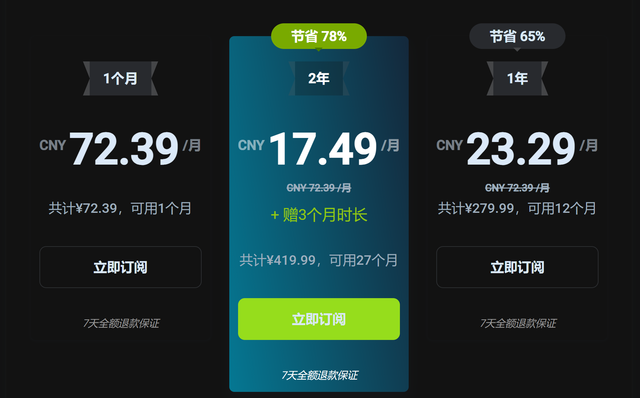
- Bundles: Some providers offer multi-device support and longer-term savings.
Case studies: practical scenarios
- Student traveling internationally: Using a VPN to access lecture material and resources from a home country library while on a campus network; ensure compliance with university policies.
- Freelancer on public Wi-Fi: Protects client communications and submission portals while working from cafes.
- Remote worker in a country with restricted content: A VPN can help access necessary tools, but verify employer policy and legal considerations.
FAQ Section
Frequently Asked Questions
Is VPN safe for IFR use in schools or universities?
Yes, if you use a reputable provider with a strong privacy policy, proper auditing, and device management. Always follow school policies and local laws.
Can a VPN protect me from malware?
A VPN primarily protects data in transit and hides your IP; it doesn’t inherently block malware. Use reputable antivirus software and safe browsing habits in addition to a VPN.
Do VPNs keep logs?
Some VPNs do keep logs. Look for a clear no-logs policy and third-party audits. Avoid providers with vague or outdated privacy terms.
Are there risks using free VPNs?
Yes. Free VPNs may monetize your data, inject ads, or impose bandwidth limits. They often don’t offer strong privacy guarantees. 초보자도 쉽게 따라 하는 미꾸라지 vpn 사용법 완벽 가이 - VPNs
How can I prevent DNS leaks?
Enable DNS leak protection in the VPN app, disable IPv6 on your device if your VPN doesn’t fully handle it, and test for leaks after setup.
What is a kill switch and why do I need it?
A kill switch automatically stops all internet traffic if the VPN disconnects, preventing unencrypted data from leaking.
Which VPN protocol should I choose?
WireGuard is a solid modern choice for speed and security; OpenVPN remains highly trusted and widely supported. Choose what your provider supports best.
Can a VPN improve streaming performance?
Sometimes yes, by reducing ISP throttling and routing traffic more efficiently. However, it can also degrade performance depending on server load and distance.
Is VPN usage legal?
In most places, using a VPN is legal for personal use. Some jurisdictions regulate or restrict VPN use, especially for illicit activities. Always know local laws. Scaricare e usare una vpn su microsoft edge guida completa 2026
How can I verify a VPN’s trustworthiness?
Check for transparent privacy policies, independent audits, reputable reviews, and the provider’s commitment to security updates and incident responses.
Sources:
Fastgithub:VPN 灰度地带的完整指南,提升上网隐私与速度
Ikuuu vpn官网 相关全解:功能、评测与购买指南,含实用对比与常见问答
China vpn 兼具隐私与自由:完整指南与最新趋势 How to use hola free vpn on microsoft edge for better browsing and faster streaming