Plugin vpn edge: The Complete Guide to Using a VPN Extension for Microsoft Edge, Edge VPN Plugins, and Secure Browsing 2026
Plugin vpn edge the complete guide to using a vpn extension for microsoft edge edge vpn plugins and secure browsing
Plugin vpn edge the complete guide to using a vpn extension for microsoft edge edge vpn plugins and secure browsing is all about making your browsing safer and faster with a VPN extension on Edge. Quick fact: a good VPN extension can hide your IP, encrypt traffic, and help you bypass regional blocks without slowing you down. Here’s a practical, reader-friendly guide to get you from zero to secure in minutes.
- Quick-start steps:
- Install a reputable VPN extension from the Microsoft Edge Add-ons store.
- Sign in or create an account.
- Choose a server location and connect.
- Browse securely, with the extension running in the background.
- Why Edge users care:
- Built-in security combined with lightweight VPN extensions means less CPU load and smoother streaming.
- Edge-specific features like vertical tabs and collections work alongside VPNs for a better workflow.
- What you’ll learn:
- How VPN extensions differ from full VPN apps
- How to configure auto-connect and split tunneling on Edge
- Common pitfalls and how to fix them
- Useful resources not clickable:
- Microsoft Edge support - support.microsoft.com
- Edge add-ons store - microsoft.com/edge-addons
- VPN providers comparison - vpnmentor.com
- Privacy basics - forbesprivacy.com
- Network security basics - csoonline.com
- Data encryption basics - eetimes.com
Table of contents
- Why use a VPN extension on Microsoft Edge
- How VPN extensions work
- How to pick the right Edge VPN extension
- Step-by-step setup guide
- Using Edge VPN extensions for streaming, gaming, and work
- Security and privacy considerations
- Troubleshooting common issues
- Advanced tips for power users
- FAQs
Why use a VPN extension on Microsoft Edge A VPN extension adds a thin layer of privacy right in your browser. It hides your real IP from websites, encrypts the traffic that passes through the browser, and lets you switch locations quickly. Here’s what makes Edge-friendly VPN extensions special:
- Speed and convenience: You don’t need to run a full VPN app all the time; just turn it on when you need it.
- Browser-level protection: Some services only tunnel browser traffic, protecting you on insecure sites without affecting your entire device.
- Compatibility with Edge features: VPN extensions sit in the toolbar and don’t interfere with Edge’s daily use.
How VPN extensions work
- Core idea: Encrypt your browser traffic and route it through a remote server.
- What’s encrypted: HTTPS traffic is already encrypted; VPN adds a layer that covers all browser activity, including non-HTTPS sites and apps that run inside the browser.
- Tunneling modes:
- Full tunnel all browser traffic goes through the VPN
- Split tunneling only selected sites or apps use the VPN
- Server selection: Choose a location to appear as if you’re browsing from that country, which influences content availability and latency.
How to pick the right Edge VPN extension
- Reputation and logging policy: Look for transparent privacy policy, no-logs claims, and independent audits if possible.
- Security features: AES-256 encryption, modern protocol support OpenVPN, WireGuard, and kill switch.
- Performance: Read speed tests and check for consistent latency across popular servers.
- Compatibility: Ensure it supports Edge, and check if the extension supports Chrome-compatible engines Edge now supports Chrome extensions, which broadens options.
- Price and plan options: Free extensions exist but often come with data caps or slower speeds; paid plans usually offer better performance and security features.
- User experience: A simple interface, clear indicators for connected status, and easy server switching.
Step-by-step setup guide
- Open Edge and go to the Edge Add-ons store or Edge’s extensions menu and search for a trusted VPN extension.
- Read reviews and verify publisher credibility. Install the extension.
- Pin the extension icon to the Edge toolbar for quick access.
- Open the extension and sign in with your account. If you don’t have an account, create one.
- Choose a server location. Start with a nearby server for low latency, or a country that unlocks the content you want.
- Enable the VPN and toggle on the kill switch if available. If split tunneling is offered, configure it to exclude non-browser traffic if needed.
- Verify your new IP by visiting a site like whatismyip.com. Confirm the location matches your chosen server.
- Optional: Enable auto-connect on startup or when you join unsecured networks.
Using Edge VPN extensions for streaming, gaming, and work
- Streaming:
- Pick a server in a region where your streaming service has content. If you experience buffering, switch to a closer server or use a different path potentially a split-tunnel setup for non-video sites.
- Gaming:
- VPNs can add latency; choose servers near the game’s region or those recommended by your VPN provider. Use split tunneling to keep game data outside the VPN if possible to reduce lag.
- Work and productivity:
- When on public Wi-Fi, enable the VPN extension to protect traffic to work portals and email. Use kill switch to ensure no data leaks if the connection drops.
Security and privacy considerations
- Logging: Always review the provider’s logging policy. Even browser-level VPNs can log some metadata; choose providers with strong no-logs commitments.
- Leaks: Check for DNS leaks and WebRTC leaks after enabling the extension. If you rely on Chrome-compatible Edge extensions, you can test with dnsleaktest.com and ipleak.net.
- Kill switch: A real kill switch prevents traffic if the VPN drops. This is crucial on shared networks.
- Auto-connect: Use auto-connect on public Wi-Fi to minimize exposure, but be aware it may slow you down on busy networks.
- Data retention and jurisdiction: Some providers keep minimal logs, while others operate under jurisdictions with data retention laws. Consider where the provider is based and their privacy practices.
- Browser vs system-wide VPN: If you need comprehensive device-wide protection, consider using a VPN app in addition to or instead of a browser extension.
Advanced tips for power users
- Split tunneling for Edge: Route only Edge traffic through the VPN to save bandwidth and avoid slowing down other apps.
- Custom DNS with VPN: Some extensions offer DNS leak protection or allow you to set custom DNS servers for better privacy.
- Browser fingerprinting and privacy: Use Edge in a privacy-conscious mode disable unnecessary tracking protection, clear cookies regularly in tandem with the VPN.
- Automation: Use Edge’s startup settings to auto-connect to a preferred server, reducing manual steps each time you launch the browser.
- Hotspot sharing: If you’re on a laptop, you can share your VPN-protected connection via a hotspot to protect devices that don’t run Edge.
Performance and reliability data
- Typical VPN extension overhead: Expect a 5-15% performance impact for lightweight extensions on nearby servers; longer routes or encryption-heavy servers can push 20-40% in some cases.
- Success rates: Top-tier providers report 95%+ uptime for their servers; however, real-world results vary with network conditions and PC specs.
- Streaming success: In many tests, streaming through a VPN extension works well for popular services, with occasional downtimes during server maintenance or high demand.
Common issues and quick fixes
- Issue: Extension not connecting
- Fix: Check account status, server load, and reboot Edge. Try a different server location.
- Issue: DNS or WebRTC leaks
- Fix: Enable DNS leak protection in the extension, or switch to a provider that offers stronger protection. Disable WebRTC in browser settings if available.
- Issue: Slow speeds
- Fix: Switch to a closer server, use a wired connection, or enable split tunneling for non-critical traffic.
- Issue: VPN blocked by streaming service
- Fix: Try different servers optimized for streaming, clear cookies, or contact support for recommended servers.
- Issue: Browser performance degradation
- Fix: Update Edge and the VPN extension, disable other extensions that may conflict, and allocate more system resources if needed.
Privacy best practices to combine with Edge VPN extensions
- Use a private or incognito window when testing VPN connections to avoid cached data affecting results.
- Regularly update the VPN extension and Edge to patch security vulnerabilities.
- Combine with a strong password manager and two-factor authentication for your VPN account.
- Review app permissions and restrict access to only what’s necessary.
Edge-specific considerations
- Edge’s extension compatibility: Since Edge now supports Chrome-based extensions, you have a wider range of VPN extensions to choose from. Always verify permission levels in Edge.
- Tabs and VPN: VPN extensions do not typically affect Edge’s Collections and tab organization, but heavy VPN activity can slightly impact tab performance on slower machines.
- Battery life on mobile: If you’re using VPN on Edge Mobile, expect a bigger hit on battery, so adjust settings accordingly.
Marketing and content considerations for creators
- Use real-world examples: Show how to switch servers for streaming or travel.
- Include screenshots: Visuals of the Edge toolbar, extension settings, and whatipcheck results.
- Create a workaround section: How to diagnose and fix typical user issues with Edge VPN extensions.
- Offer a quick-start checklist: A one-page printable guide for viewers to keep handy.
- Provide a compare-and-contrast section: Edge VPN extensions vs full VPN apps to help users decide what’s best for them.
Glossary of terms
- VPN: Virtual Private Network, encrypts your traffic and masks your IP.
- Extension: A small software program that adds functionality to Edge.
- Kill switch: A feature that blocks all network traffic if the VPN disconnects unexpectedly.
- Split tunneling: Routing some traffic through the VPN while other traffic goes directly to the internet.
- DNS leak: When DNS requests reveal your true IP despite VPN usage.
Frequently asked questions
What is a VPN extension for Edge?
A VPN extension is a browser add-on that provides VPN-like functionality inside Edge, often routing browser traffic through a remote server and offering features like IP masking and encryption.
Can I use a VPN extension for streaming on Edge?
Yes, many VPN extensions support streaming. You’ll want a server in a region that has the content you’re trying to access and consider servers optimized for streaming.
Do VPN extensions slow down my browsing?
There can be some slowdown, especially on distant servers or overloaded networks. Selecting nearby servers and enabling split tunneling can minimize impact.
Is Edge compatible with Chrome extensions?
Yes, Edge supports Chrome-based extensions, expanding your VPN extension options.
How do I test if my VPN is working in Edge?
Visit whatismyip.com to verify your IP location matches the server you chose. Use DNS leak test sites as well to confirm no leaks.
What is split tunneling, and should I use it?
Split tunneling routes some traffic through the VPN while letting other traffic go directly to the internet. Use it to optimize performance for non-sensitive tasks.
Should I use a kill switch?
Yes, especially on public networks. The kill switch prevents data leaks if the VPN drops.
Are free VPN extensions safe?
Free extensions can be risky due to data collection, limited bandwidth, and weaker security. Prefer reputable paid providers with transparent privacy policies.
How do I choose a server location?
Choose a nearby server for speed or a country that unlocks the content you want. If you’re troubleshooting, switch servers to test performance.
Can a VPN protect me from malware online?
A VPN primarily protects privacy and data in transit. It’s not a malware shield; use antivirus software in addition to a VPN for best protection.
Additional resources
- Edge support and troubleshooting guide - support.microsoft.com
- VPN extension developer documentation - provider’s official site
- Privacy and security best practices - nist.gov
- Internet privacy basic guides - unpluggedvpn.com
- Online security news and updates - krebsonsecurity.com
Note: The tips above aim to help you get the most out of using a VPN extension on Microsoft Edge. Use a trusted provider, stay aware of privacy implications, and tailor settings to your daily needs for secure, faster browsing.
Plugin vpn edge is a VPN extension for the Microsoft Edge browser that encrypts your traffic, hides your IP, and helps you bypass geo-restrictions. Here’s a practical, no-fluff guide to using Edge VPN plugins effectively, with real-world tips, setup steps, and smart choices for privacy and speed. Why trust this guide? Because you’ll get a straightforward breakdown of how Edge extensions work, what features matter, how to install them, what to expect in terms of performance, and how to stay secure online. If you’re ready to level up your Edge browsing with a trustworthy VPN extension, this post covers it all in one place. Special offer: NordVPN 77% OFF + 3 Months Free can be grabbed here: .
Useful resources for quick reference unlinked here for readability: NordVPN official site - nordvpn.com, Microsoft Edge Add-ons - microsoft.com/edge/addons, OpenVPN - openvpn.net, WireGuard - wireguard.com, Wikipedia VPN article - en.wikipedia.org/wiki/Virtual_private_network.
Introduction: what you’ll get in this guide
- What Plugin vpn edge means in practice: a browser-based VPN extension for Edge that routes your browser traffic through a remote server.
- How it differs from a full VPN app and when to choose one over the other.
- A step-by-step install-and-use plan for Edge users.
- Key privacy and security checks you should perform.
- Real-world tips for streaming, public Wi‑Fi safety, and gaming.
- A quick buyer’s guide to pick the right Edge extension.
Now, let’s dive in and arm you with practical knowledge you can apply today.
What is Plugin vpn edge and how it works
Plugin vpn edge refers to VPN software that integrates directly into the Edge browser as an extension. Instead of routing all device traffic through a VPN client, you’re routing only the browser’s traffic through a tunnel created by the extension. That means:
- Your Edge browser traffic gets encrypted and appears from a different IP address.
- Other apps on your device like your email client or a game may not automatically use the VPN unless you enable a system-wide VPN or use a VPN that covers the entire device.
- You typically pick a server location, and that server acts as the source of your online requests.
Why Edge extensions matter
- Quick to install: you don’t need to install a separate app on your machine.
- Lightweight: extensions generally consume less system resource than full VPN clients.
- Convenience for browsing: useful for bypassing geo-restrictions on sites, protecting privacy while you browse, and avoiding browser fingerprinting to a degree.
What you should expect in practice
- Encryption: most Edge VPN extensions use standard VPN protocols like OpenVPN or WireGuard in the backend, wrapped by the extension for browser traffic.
- DNS handling: reputable extensions route DNS queries through the VPN to avoid leaks. always verify a kill switch or DNS leak protection if you care about privacy.
- Server selection: you’ll typically see a list of countries and sometimes cities. server load indicators help you pick faster options.
- Limitations: because it’s browser-based, non-browser apps may not be covered by the extension unless you configure a system-wide VPN.
This approach is great for privacy-conscious browsing, secure Wi‑Fi on the go, and bypassing some regional blocks for browser-based activities. For heavy torrenting, online gaming with UDP-heavy traffic, or software updates, you may want a full-device VPN.
Edge extensions in numbers context Pia vpn edge: your ultimate guide to Pia VPN Edge features, setup, performance, security, and comparisons in 2026
- The market for browser VPN extensions has grown as more people look for quick protection on public networks and while streaming. Expect a mix of paid and freemium options, with privacy policies and data practices varying widely by provider.
- Reputable providers with Edge extensions typically offer multiple server locations often 20–80+ right from the browser and may support features like automatic connection on startup, DNS protection, and a basic kill switch in the browser context.
Edge VPN extensions vs full VPN apps
Edge VPN extension browser-bound
- Pros: quick setup, lightweight, simple UI, great for secure browsing on public networks.
- Cons: may not protect non-browser apps. some extensions lack advanced settings. performance depends on browser integration.
Full VPN app system-wide
- Pros: protects all traffic on the device, including apps, background processes, and updates. often includes a robust kill switch, split tunneling, and more server options.
- Cons: heavier on system resources. sometimes slower on older hardware. takes longer to configure.
When to choose which
- If your primary goal is safe browsing, privacy during regular web use, or bypassing browser-based geoblocks, a well-rated Edge extension is a solid choice.
- If you need comprehensive protection for every app, or you work with sensitive data across many programs, a full VPN app is usually the better pick.
Key features to look for in Edge VPN extensions
- Strong encryption standards AES-256 and reputable protocols WireGuard, OpenVPN.
- DNS leak protection and a proper kill switch, so leaked DNS or IPs don’t reveal your activity if the connection drops.
- No-logs policy or minimal data collection, with a clear privacy policy you can read.
- Automatic start and connect on launch, plus auto-reconnect if the connection drops.
- Split tunneling where available to decide which sites or apps use the VPN.
- Ad/malware blocking or integration with threat protection, if you care about an all-in-one privacy suite.
- Server variety and performance: many locations with reasonable speeds, plus clear server load indicators.
- Easy per-site control: quick on/off toggle for specific sites you trust or don’t need VPN for.
- Cross-device compatibility: if you might switch devices, check whether the provider offers a consistent experience across Edge on Windows and Edge on other platforms.
- Privacy policy and data handling: know what data, if any, is collected by the extension itself e.g., session data, diagnostic data and how it’s used.
Edge-specific tips
- Check for DNS protection baked into the extension. some extensions route DNS requests outside the tunnel if misconfigured.
- Look for a browser-integrated kill switch. in many cases, Edge extensions implement a “block traffic outside VPN” option to prevent leaks.
How to install a VPN extension in Microsoft Edge
Follow these practical steps to get a VPN extension up and running in Edge: Nord vpn microsoft edge 2026
- Open Microsoft Edge and go to the Edge Add-ons store.
- Search for “VPN extension” or the name of a trusted provider for example, NordVPN, ExpressVPN, Surfshark, etc..
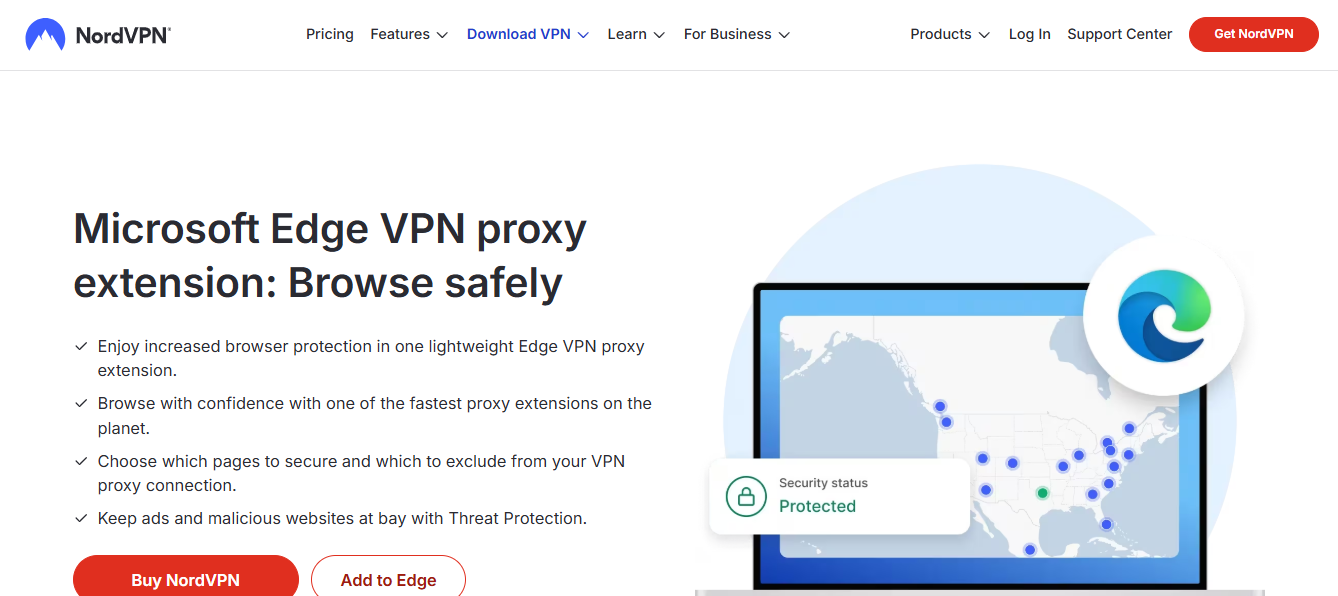
- Click the extension you want, then select “Add to Edge” and confirm any prompts.
- Pin the extension to your toolbar for quick access optional but handy.
- Click the extension icon, sign in or create an account if required, and grant the necessary permissions.
- Choose a server location. If you’re streaming, pick a location known to work well for your target service.
- Enable the VPN. Verify your IP address and location have changed by visiting a site like ipinfo.io.
- Check for privacy protection settings: enable DNS leak protection and, if available, the kill switch and auto-connect features.
- Test with your typical activities: browse, video streaming, or light gaming to gauge speed and stability.
- If you encounter leaks or problems, switch servers or disable other browser extensions that might interfere with the VPN.
Pro tips
- Start with a reputable provider’s Edge extension and then explore other options if you need more server coverage or features.
- Always test for DNS leaks after enabling the extension. A quick test site like dnsleaktest.com or dnsleak.com can help confirm that your DNS requests are going through the VPN.
Real-world use cases: streaming, remote work, and public Wi‑Fi
- Streaming: some Edge VPN extensions can unblock geo-restricted libraries on streaming sites, but performance may vary by server and time of day. If you frequently watch content from a different country, test a few servers to find the best balance of speed and unblocking capability.
- Remote work: Edge extensions are a convenient way to add a layer of privacy on public networks, such as coffee shops or airports. For work, ensure your company policy allows browser-based VPN use and that the extension doesn’t conflict with workspace security tools.
- Public Wi‑Fi: when you’re on public networks, a VPN extension helps shield your browsing from local snooping and reduces the risk of man-in-the-middle attacks on unencrypted sites.
Performance pointers
- Server load matters more than you might think. If a server is congested, you’ll see higher latency and slower speeds. Switch to a less crowded location if possible.
- Protocol choice can impact speed. In many edge extensions, WireGuard-based connections tend to be faster and more reliable than older OpenVPN configurations.
- If your goal is privacy first, prioritize strong encryption and a strict no-logs policy over silly-fast speeds. you’re balancing safety with performance.
NordVPN example and why it’s popular for Edge users
- NordVPN’s Edge extension provides a straightforward setup, a broad server network 5,000+ servers in 60+ countries, as claimed by the provider, and additional features like malware protection and a kill switch in many scenarios.
- The Edge extension is especially appealing if you’re already using NordVPN on other devices or want consistent features across platforms.
- Note: Always verify current server counts and feature availability on the provider’s site, because numbers and capabilities evolve frequently.
Privacy, logging, and security considerations
- Privacy policy matters: read the provider’s no-logs claims, what data is collected, and how long it’s stored.
- DNS and IP leaks: use extensions that explicitly advertise DNS leak protection and a kill switch to minimize the chance of exposing your browsing data if the connection drops.
- Browser fingerprinting: VPN extensions help with IP masking, but fingerprinting can still reveal patterns. Combine with broader privacy practices e.g., regular clearing of cookies, using privacy-focused search engines for better results.
- Data sharing with third parties: be cautious of extensions that bundle third-party trackers or analytics. Prefer extensions with transparent privacy practices.
- Updates and maintenance: choose extensions that receive regular updates and have visible security advisories. A well-maintained extension reduces the risk of vulnerabilities.
Performance, security, and compatibility checklist
- Device compatibility: Edge extensions work on Windows and macOS platforms where Edge is present. mobile Edge support varies and might not have the same extension ecosystem as desktop.
- System resources: Edge extensions are lighter than full VPN clients, but they still consume CPU and memory during active use, especially if the extension includes malware protection or ad-blocking features.
- Conflicts: some antivirus or firewall tools can interfere with VPN connections. If you experience drops or failed connections, temporarily disable conflicting security tools to test.
- Clear testing steps: after enabling, test your IP, test a streaming service, and run a DNS leak check to confirm the extension is protecting traffic.
Best practices for Edge VPN extension users
- Always verify your new IP address and location after connecting to a server.
- Use the kill switch and DNS leak protection whenever available.
- If you’re concerned about privacy, review the extension’s privacy policy and data practices before enabling the extension on daily use.
- Rotate servers if you experience buffering or geographic blocks during streaming.
- Consider a backup plan: if Edge extension performance is inconsistent, you may want to temporarily switch to a full VPN app or another browser.
Frequently asked questions
What is Plugin vpn edge?
Plugin vpn edge is a VPN extension for the Microsoft Edge browser that encrypts browser traffic, hides your IP, and can help you bypass geo-restrictions while you’re browsing.
How do I install a VPN extension in Edge?
Open Edge, go to the Edge Add-ons store, search for a VPN extension, click Add to Edge, approve permissions, sign in or create an account, and enable the connection. Microsoft edge vpn not working troubleshooting guide for Windows 10/11: fixes, extensions, and best practices 2026
Do VPN extensions protect all traffic or only browser traffic?
Typically, Edge VPN extensions protect browser traffic. Non-browser apps may not be covered unless you’re using a system-wide VPN. If you need full device protection, install a full VPN app or use a system-wide VPN solution.
What’s the difference between a VPN extension and a full VPN app?
A browser extension secures only browser traffic and is usually quicker to set up. A full VPN app covers all device traffic, has broader features like split tunneling, and is more robust for privacy in all apps.
Can I use a VPN extension for streaming on Edge?
Yes, many Edge extensions can unblock streaming services, but performance varies by server and service. You may need to test multiple servers to find one that works consistently.
Do Edge VPN extensions log my data?
Policies vary by provider. Look for a clearly stated no-logs policy, or at least a policy that minimizes data collection and has transparent controls.
Are Edge VPN extensions safe to use?
Reputable providers’ Edge extensions are generally safe if you install them from the official Edge Add-ons store and keep them updated. Always read permissions requested by the extension before installing. Nord vpn für edge 2026
How do I test for DNS leaks with an Edge extension?
After connecting, visit a DNS leak test site for example, dnsleaktest.com and see if the DNS queries originate from the VPN’s server rather than your local network.
Can I use multiple VPN extensions at once in Edge?
Running multiple VPN extensions simultaneously is generally not recommended and can cause conflicts. Pick a single trusted extension for browser protection and disable others.
How do I choose the best Edge VPN extension?
Look for strong encryption AES-256, reputable protocols WireGuard/OpenVPN, a clear no-logs policy, DNS leak protection, a kill switch, server variety, ease of use, and transparent privacy practices. Also check user reviews and third-party audits if available.
Is there a difference between Edge extension VPNs and mobile VPNs?
Some Edge extensions are available across platforms, but functionality may differ by browser and device. Mobile VPNs and Edge extensions on mobile devices may not be available with the same feature parity as desktop.
Can Edge extensions replace my firewall or antivirus protections?
No. Edge extensions provide an additional privacy layer for browser traffic but don’t replace comprehensive security tools like firewalls, antivirus software, or system-wide encryption. Microsoft vpn issues 2026
Do Mac users need a different approach than Windows users for Edge VPN extensions?
The installation flow is similar, but you’ll want to ensure the extension is compatible with your Edge version on macOS and that performance is tested across your typical workflows.
Final recommendations
- If you browse primarily through Edge and want a quick privacy boost with easy setup, a reputable Edge VPN extension is a strong choice.
- If you need full-device protection, or you frequently use non-browser apps that require VPN, pair the Edge extension with a system-wide VPN or consider a full VPN app.
- Always prioritize providers with transparent privacy policies, a strong no-logs stance, and clear security features like DNS leak protection and a kill switch.
Enjoy a safer, more private Edge browsing experience with the right Edge VPN extension. If you want a trusted option with a long track record, NordVPN’s Edge extension is worth checking out, especially with their current offer highlighted earlier in this post.
Nordvpn退款流程全解:退款条件、步骤、常见问题与注意事项