Vpn one click not working: comprehensive guide to troubleshoot one-click VPN failures, fixes, and best practices 2026
Vpn one click not working comprehensive guide to troubleshoot one click vpn failures fixes and best practices
Vpn one click not working comprehensive guide to troubleshoot one click vpn failures fixes and best practices deploys a quick, practical overview you can use right away.
- Quick fact: many one-click VPN failures come from simple things like network blocks, outdated apps, or server incompatibilities.
- This guide gives you a complete, user-friendly path: diagnosis, fixes, and best practices so you’re back online fast.
What you’ll learn in this guide:
- Common reasons your one-click VPN fails and how to spot them
- Step-by-step troubleshooting flow you can follow without technical jargon
- Best practices to prevent future failures
- Pro tips for different platforms Windows, macOS, Android, iOS
- How to test VPN connections and verify privacy and security
Useful resources text only: Apple Website - apple.com, Android Developers - developer.android.com, Microsoft Support - support.microsoft.com, Wikipedia - en.wikipedia.org, VPN industry reports - vpnreviewz.com, TechRadar VPN guide - techradar.com/vpn, Hulu geo restrictions guide - help.hulu.com
What “one-click VPN” means and why it might fail
One-click VPN typically refers to a launcher or shortcut that connects you to a VPN server with a single tap or click. This convenience hides a few moving parts: app integrity, server availability, account status, and network compatibility. If any piece misbehaves, the whole thing can stall.
- Common failure modes:
- App not launching or crashing
- Authentication failures wrong credentials, expired subscription
- Server connection timeouts or DNS leaks
- Protocol incompatibility IKEv2, OpenVPN, WireGuard
- Conflicts with firewall or antivirus software
- Outdated app or OS version
- Network issues ISP blocks, captive portals on public Wi‑Fi
Quick diagnostic checklist before deeper troubleshooting
- Check your internet connection with a simple browser page or ping test.
- Open the VPN app directly not via the one-click shortcut to see if it prompts for updates or login.
- Ensure your subscription is active and credentials are correct.
- Try a different server or protocol if available.
- Temporarily disable firewall/antivirus to test. Re-enable after testing.
- Confirm the device time and date are correct; certificates can fail if clock is off.
Troubleshooting flow: a step-by-step guide
Follow these steps in order. If a step resolves the issue, you can stop there.
- Verify basic connectivity
- Are you online without the VPN? If not, fix your general connection first.
- If you’re on Wi‑Fi, try a wired connection or switch networks mobile hotspot to rule out local network issues.
- Check the one-click launcher
- Restart the launcher app.
- Reinstall the one-click package from the official source.
- Make sure you have the latest version of the app and OS.
- Test with the full VPN client
- Open the VPN app itself not the one-click shortcut.
- Update server lists if prompted.
- Manually connect to a different server and protocol.
- Note any error codes and look them up in official support docs.
- Authentication and account status
- Sign out and sign back in.
- Reset password if you suspect credential issues.
- Check your subscription status and device limits.
- Protocol and server considerations
- Switch protocols: try WireGuard, OpenVPN, or IKEv2 depending on what’s available.
- Change servers, avoiding overloaded ones some apps show server load.
- If you’re behind NAT or strict firewall, try a server closer to your location or use a UDP/TCP toggle if available.
- Network and device-level blocks
- Disable IPv6 temporarily to test if it’s affecting VPN traffic.
- Turn off DNS-based ad blockers or privacy extensions that might block VPN traffic.
- Check for captive portals on public networks; accept terms if prompted.
- Security software interference
- Whitelist the VPN app in firewall rules.
- Temporarily disable antivirus features that inspect network traffic like VPN scanning and test.
- Ensure the VPN process isn’t blocked by Windows Defender or macOS Gatekeeper.
- DNS and leakage testing
- After connection, run a DNS test to confirm your DNS is resolving through the VPN.
- Use a site like dnsleaktest.com text-based to verify there’s no DNS leak.
- Check for IP leaks by visiting ipinfo.io or similar.
- Certificate and clock concerns
- If you see certificate warnings, verify the device time, date, and time zone.
- Update root certificates if your OS needs an update.
- App-specific issues and logs
- Check the app’s logs or crash reports if available.
- Look for recent changes: OS updates, other VPNs installed, or new security software.
Platform-specific tips
- Windows: Run as administrator when launching the VPN client; check for Windows Defender Firewall rules.
- macOS: Enable VPN service from System Preferences > Network; ensure proper Keychain permissions.
- Android: Grant all requested permissions; disable Battery Saver during testing.
- iOS: Reinstall the app; ensure iOS VPN & Device Management profiles aren’t conflicting.
Common error codes and what they mean
- Error 800: Server unreachable or VPN service down.
- Error 789: Authentication failed; check credentials.
- Error 619/633: Tunnel interface blocked by firewall or ISP.
- DNS leak warning: DNS requests leaking outside VPN; fix by forcing DNS through VPN.
Performance and reliability best practices
- Choose servers closer to your actual location to reduce latency.
- Prefer lightweight protocols like WireGuard for faster speeds and lower power use.
- Enable split tunneling if your app supports it to route only certain traffic through VPN.
- Keep the VPN client updated; developers push fixes for server and protocol changes.
- Regularly clear app caches and reset connections when experiencing slowdowns.
How to maximize success with one-click VPN setups
- Create a primary server profile that you use most; others as backups.
- Keep a small set of trusted servers to minimize server list churn.
- Schedule routine checks for app updates and OS updates.
- Use robust passwords and enable two-factor authentication if the VPN supports it.
- Document your common fixes in a personal quick-reference guide.
Security, privacy, and privacy-preserving best practices
- Always verify the VPN’s no-logs claims and the jurisdiction it’s operating in.
- Avoid free VPNs for sensitive work; they often monetize user data.
- Confirm that DNS and IPv6 are fully protected when connected.
- Be aware of app permissions; grant only what’s necessary for the VPN to work.
Troubleshooting common hardware and network scenarios
- Public Wi‑Fi with captive portal: Connect to a non‑VPN site first to confirm network access, then try VPN.
- Corporate networks: Some corporate networks block VPN traffic; contact IT or use a permitted port/protocol.
- Mobile data constraints: If your data plan throttles VPN traffic, switch to a different carrier or adjust settings for efficiency.
Data privacy and compliance considerations
- Review your organization’s policy on VPN usage and acceptable devices.
- Ensure your logging practices meet regulatory requirements where applicable.
- Keep personal and work VPN configurations separate to prevent data cross-contamination.
Quick-reference table: common causes vs fixes
| Cause | Quick Fix |
|---|---|
| App crash | Reinstall app, update OS, clear cache |
| Authentication failed | Re-enter credentials, reset password, verify account status |
| Server unreachable | Try another server, switch protocol, check network |
| DNS leak | Verify DNS routing through VPN, test with leak test |
| Firewall blocks | Add exception, temporarily disable, check router rules |
| Time/date skew | Sync device clock, recheck certificates |
| Outdated protocol | Switch to newer protocol e.g., WireGuard |
Advanced troubleshooting options
- Check VPN logs for error codes and timestamps; correlate with server status pages.
- Enable debug/trace mode in the app to gather more details for support.
- Use a packet analyzer like Wireshark only if you’re comfortable; look for handshake failures.
- Test on another device to determine if the issue is device-specific.
When to contact support
- If you’ve tried all steps and the one-click still doesn’t work.
- If you see consistent DNS leaks or IP leaks that you can’t fix.
- If you suspect account or payment problems affecting access.
- Provide the support team with: device model, OS version, app version, server name, error codes, and a concise description of the steps you’ve taken.
Checklist you can print or save
- Internet is working without VPN
- VPN launcher updated to latest version
- One-click shortcut reinstalled and reconfigured
- Subscriptions active and credentials correct
- Tested multiple servers and protocols
- Firewall/AV exclusions in place
- DNS leak test passed
- Time and date synchronized
- Logs reviewed or captured for support
Performance monitoring and ongoing maintenance
- Monitor connection speeds after changes to VPN settings.
- Track uptime and server performance to identify trends.
- Schedule monthly checks for updates and security settings.
Real-world tips from users
- If you frequently switch networks, keep a lightweight profile for quick reconnection.
- Some users find that keeping a minimal set of trusted servers helps stability more than a long list of options.
- Avoid running multiple VPNs at the same time; conflicts can cause one-click failures.
Frequently asked questions
How do I fix a VPN when one-click isn’t working?
Try the step-by-step flow: check internet, reopen launcher, update app, test alternative servers and protocols, verify account status, adjust firewall settings, and test DNS secure routing.
What does a DNS leak mean and how can I fix it?
A DNS leak occurs when DNS requests bypass the VPN tunnel. Fix by forcing DNS through the VPN, enabling DNS leak protection, or using a VPN with built-in DNS handling.
Can antivirus software block VPN connections?
Yes, some antivirus or firewall tools block VPN traffic. Add the VPN to the allowed list or temporarily disable protection to test. Tunnelbear vpn es seguro: a comprehensive guide to TunnelBear security, privacy, features, and setup in 2026
Is it safer to use a trial version of a VPN?
Trials are convenient but ensure you understand data limits and what features are available. Always use reputable providers.
Why does my VPN connect sometimes but disconnect soon after?
This can be due to unstable server, network interruptions, or protocol negotiation issues. Try a different server and protocol.
Should I enable split tunneling?
If you only need certain apps to run through the VPN, enable split tunneling. It can improve performance and reduce strain on the connection.
How can I check for IP or DNS leaks?
Visit ipinfo.io to check your visible IP, and dnsleaktest.com to confirm DNS routing is through the VPN.
What should I do on public Wi‑Fi?
Public networks can block or throttle VPN traffic. Connect to a known server, use trusted networks, and avoid handling sensitive data on insecure networks. Secure access service edge vs vpn: a comprehensive guide to SASE, zero trust, and modern secure remote access 2026
How do I know if my VPN is actually protecting me?
Check for a successful VPN connection indicator, verify no real IP is shown on IP check sites, and confirm DNS and IPv6 are routed through the VPN.
When should I contact support?
If you’ve exhausted all troubleshooting steps and the one-click feature still fails, reach out with details like device model, OS, app version, server tried, and any error messages.
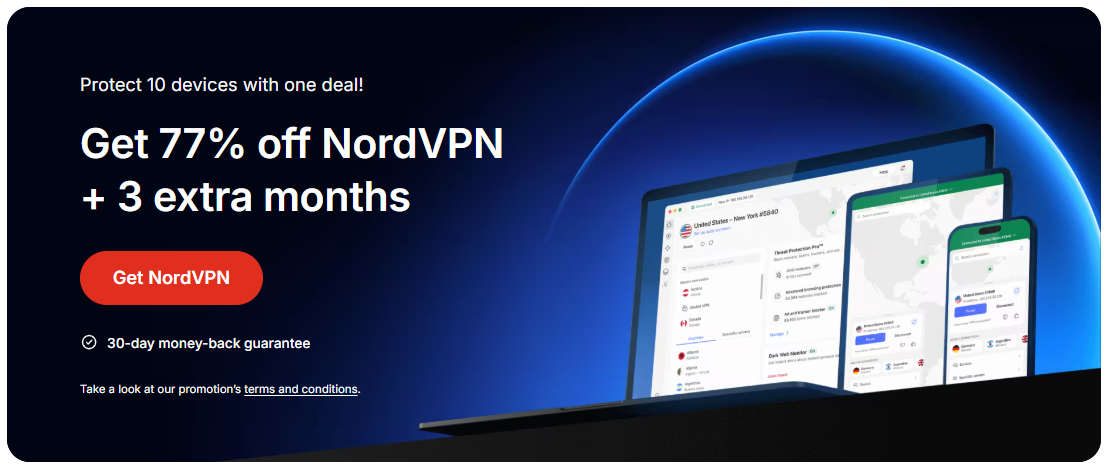
Yes, Vpn one click not working is usually caused by misconfigurations, outdated software, or network blocks. In this guide, I’ll break down why that one-click feature can fail, walk you through practical fixes, and share setup tips so you’re back to a secure connection fast. We’ll cover common causes, step-by-step troubleshooting, platform-specific tips, and how to optimize for streaming, gaming, and privacy. Plus, I’ve included a quick, reliable option you can check out right away if you want a fast workaround. NordVPN is currently offering a strong deal—77% off plus 3 months free—see the image below for the offer and details.
Useful resources you might find handy while reading:
- VPN best practices - vpnmentor.com
- Virtual Private Network - en.wikipedia.org/wiki/Virtual_private_network
- Open-source VPN protocols - en.wikipedia.org/wiki/WireGuard
- How DNS works - en.wikipedia.org/wiki/DNS
- Privacy and security basics - security.stackexchange.com
Introduction: what you’ll learn at a glance Set up vpn on edgerouter x 2026
Yes, Vpn one click not working can often be fixed with a few quick checks and targeted tweaks. If you want a fast path, start by updating the app, choosing a different server, and ensuring your device isn’t blocking the connection.
What we’ll cover: common causes, a practical step-by-step troubleshooting flow, platform-specific tips, protocol considerations, and how to optimize for streaming and gaming without sacrificing privacy.
Quick fix checklist one-page reference
- Update the VPN app to the latest version
- Try a different server or protocol WireGuard/OpenVPN/IKEv2
- Disable/adjust firewall or antivirus interference
- Toggle Kill Switch and DNS leak protection
- Verify IPv6 is disabled if your provider blocks it
- Reboot the device and router if applicable
- Check for conflicting VPN apps and remove duplicates
For deeper setup, I’ve added sections on device-specific tips Windows, macOS, iOS, Android, Linux, routers and how to test the connection IP, DNS, and speed tests.
Body Review urban vpn ekstensi chrome 2026
Common causes of "one-click VPN not working"
- Outdated software: If your VPN app hasn’t been updated in a while, it can fail to establish a secure tunnel.
- Server or protocol mismatch: Some servers don’t accept a particular protocol in certain network conditions. the one-click button often defaults to a server/protocol that doesn’t work for you.
- Conflicting apps: Other VPNs, firewalls, or security suites can block the VPN client from creating a tunnel.
- Network restrictions: Public Wi‑Fi, corporate networks, or ISP-level blocks can prevent VPN handshakes.
- DNS leaks and IPv6: If DNS isn't properly resolved through the VPN or IPv6 leaks occur, you might think the VPN isn’t working even though the tunnel is up.
- Kill Switch issues: If the Kill Switch is misconfigured, it may block traffic entirely when the VPN tries to connect, making the one-click feel like it’s failing.
Troubleshooting steps: quick wins you can try now
- Step 1: Update and relaunch
- Make sure your VPN app is on the latest version. After updating, close all instances and relaunch the app.
- Step 2: Switch servers and protocols
- Try a nearby server and switch to a different protocol for example, from UDP OpenVPN to WireGuard or IKEv2. A different route often resolves handshake problems.
- Step 3: Check for conflicts
- Disable any other VPN clients temporarily. Turn off firewalls or antivirus real-time protection briefly to test re-enable after test.
- Step 4: Inspect Kill Switch and DNS settings
- Ensure the Kill Switch is enabled if you expect it for privacy, but also verify it’s not blocking legitimate traffic. Enable DNS leak protection.
- Step 5: Verify network basics
- Confirm internet access without the VPN, then re-enable it. If you’re on a shared network, try a mobile hotspot to rule out a network block.
- Step 6: IPv6 handling
- If your OS shows IPv6 connections, disable IPv6 in your VPN settings or OS network settings to prevent leaks or conflicts.
- Step 7: Reboot and reseat
- Reboot the device and, if you’re on a home network, restart your router. Sometimes a clean restart fixes stuck tunnels.
- Step 8: Reinstall if necessary
- If nothing else works, uninstall the VPN, restart, and reinstall the latest version from the official source.
Deep dive: troubleshooting by scenario
Scenario A: One-click works sometimes, then stops
- Likely culprit: intermittent server issue or dynamic network blocking.
- Fix: Clear cache within the app, switch servers, and try a different protocol. Check for app updates and verify there are no background processes throttling network access.
Scenario B: VPN connects but no data passes
- Likely culprit: Kill Switch blocking traffic or local firewall rules.
- Fix: Temporarily disable Kill Switch to test. if it works, adjust Kill Switch rules to allow traffic over the VPN’s interface.
Scenario C: VPN shows connected, but IP test reveals your real IP
- Likely culprit: DNS leaks or IPv6 leaks.
- Fix: Enable DNS leak protection. disable IPv6 on both device and router if your VPN doesn’t fully support it.
Scenario D: You’re on a streaming service and it blocks VPN
- Likely culprit: destination server detection and anti-VPN measures.
- Fix: Switch to a server known to unblock streaming, or enable split tunneling so streaming traffic uses the VPN while other traffic remains direct.
Scenario E: Corporate or school networks block VPNs
- Likely culprit: network-level blocks or firewall policies.
- Fix: Use a different port or protocol that is less likely to be blocked e.g., WireGuard on specific ports, or use a reputable provider with stealth/obfuscated servers.
Best practices for one-click VPN setups
- Choose the right protocol for your needs
- WireGuard is fast and efficient for everyday use, OpenVPN offers broad compatibility and strong security, and IKEv2 is great on mobile for quick re-connections.
- Enable Kill Switch and DNS leak protection
- These protect you when the VPN disconnects unexpectedly and prevent unencrypted leaks.
- Use auto-connect with trusted networks
- Auto-connect on known networks helps ensure you’re protected whenever you join a network, even if you forget to turn on the VPN.
- Optimize server selection for speed and reliability
- Nearer servers usually offer lower latency. If streaming or gaming, prioritize servers with known performance for your region.
- Consider split tunneling for flexibility
- Route sensitive traffic through the VPN while leaving less sensitive traffic on the regular connection to maximize speed.
- Regularly review device and network settings
- Ensure IPv6 is handled consistently, and check for conflicting apps after major OS updates.
Platform-specific tips
Windows
- Run as administrator when installing or updating.
- Check Windows Defender Firewall rules to ensure VPN isn’t blocked.
- Use the network adapter diagnostic tool to verify the VPN’s virtual adapter is properly installed.
macOS
- Allow the VPN profile in System Preferences if macOS prompts for permission.
- Check the VPN’s status in the Menu Bar. a stale status can be fixed by restarting the app or the system.
iOS
- Enable VPN-on-demand for certain apps if you’re using a managed profile.
- Reboot the iPhone after major iOS updates to ensure the VPN client integrates properly with the new system.
Android
- Grant the VPN app all required permissions, including device admin permissions if used.
- Test on both 4G/5G and Wi‑Fi networks to identify network-specific blocks.
Linux
- Use the CLI client if you’re comfortable. it can help diagnose at a lower level.
- Ensure proper DNS configuration in resolv.conf to avoid leaks.
Routers
- A router VPN provides protection on every device. ensure your router’s firmware is up to date.
- Some routers require manual server configuration. ensure you’re using the correct protocol, port, and encryption settings.
How to test and verify your VPN connection
- IP check: Use an IP checker to verify that your external IP differs from your real IP and matches the VPN gateway you’re using.
- DNS check: Run a DNS leak test to confirm DNS queries are resolving through the VPN and not leaking to your ISP.
- WebRTC test: Some browsers can leak IP addresses via WebRTC. disable WebRTC leaks in your browser settings or use extensions that block them.
- Speed test: Compare baseline speeds with and without the VPN to understand the performance impact and choose servers that minimize slowdown.
- Streaming and gaming tests: Open the intended service and confirm you can access content or achieve low latency. If not, switch servers or adjust protocol.
When to switch providers or reconsider the one-click experience
- If you consistently struggle with one-click connections across many servers, it might be time to try a different provider’s one-click experience or use a manual connection to a known reliable server.
- If privacy and security features lag behind industry standards e.g., no Kill Switch, no DNS leak protection, weak encryption, consider evaluating more robust options.
- If you rely heavily on streaming or gaming and require minimal latency, test several providers and servers to identify a consistent performer.
Practical tips for a better one-click experience
- Keep a small pool of “trusted” servers you know work for your typical use cases—this reduces guesswork in one-click scenarios.
- Document your typical issues e.g., “VPN disconnects on router restart” or “certain apps don’t route through VPN” so you can triage quickly the next time.
- Use official support channels with logs when you contact support—having the error codes and steps you’ve tried can speed up the fix.
Frequently Asked Questions
How do I fix a one-click VPN that won’t connect?
A: Start with updates, switch servers/protocols, disable conflicting software, verify Kill Switch and DNS settings, disable IPv6 if needed, and reboot devices. If issues persist, reinstall the app.
Why is my VPN connected but not routing traffic?
A: It could be a DNS leak, IPv6 leak, or a misbehaving Kill Switch. Enable DNS leak protection, disable IPv6, and test traffic routing with a simple IP check.
Should I disable IPv6 to fix VPN issues?
A: If your VPN doesn’t handle IPv6 well, disabling IPv6 on the device or router can prevent leaks and routing issues. Re-enable if you know your VPN has robust IPv6 support.
How can I test for DNS leaks?
A: Use an online DNS leak test tool and check that DNS requests resolve through your VPN’s DNS servers, not your ISP’s. Ubiquiti edgerouter x vpn server setup guide for secure remote access, site-to-site vpn, and NAT best practices 2026
What protocol should I use for reliable one-click connections?
A: Generally, WireGuard is fastest and most reliable for day-to-day use. OpenVPN offers broad compatibility and strong security. IKEv2 is solid on mobile.
Can a VPN block streaming services?
A: Some streaming services block VPN traffic. If you’re blocked, try a different server in the same region or contact support for servers known to unblock content.
Is a Kill Switch always necessary?
A: It’s highly recommended for privacy. It prevents traffic leaks if the VPN connection drops suddenly.
How do I fix VPN issues on Windows 11/10?
A: Check for Windows Updates, verify the VPN service is allowed by Firewall, ensure the virtual adapter is installed, and restart the VPN service if needed.
What about router-based VPNs?
A: Router VPNs cover all devices on your network but can be trickier to configure. Ensure you’re using a compatible firmware version and matching settings protocol, port, encryption. Vpn edge extension best practices for privacy, performance, and secure browsing in 2026
Why does my VPN slow down my internet?
A: VPN encryption and the longer route to the VPN server introduce overhead. Switch to a closer server, use a lighter protocol like WireGuard, and disable features you don’t need.
When should I contact customer support?
A: If you’ve tried the standard fixes and the one-click option still fails across multiple servers or devices, reach out with your logs, exact error messages, and steps you’ve taken.
Can a free VPN fix be as good as a paid one for one-click use?
A: Free VPNs often impose bandwidth caps, slower speeds, and weaker privacy protections. For consistent one-click reliability and stronger privacy, paid options are usually better.
- End of FAQ
Note: This post is written to be practical and friendly, with a focus on actionable steps you can take right away. If you want a solid, reliable VPN experience that supports one-click connections across devices and networks, check out NordVPN with the current offer shown above. The tips here will help you diagnose issues quickly, but a strong provider with a robust, user-friendly one-click setup can save you time in the long run.
Is free vpn for edge safe Vpn gratis para edge best free VPN options for Microsoft Edge, how to install, compare features, and tips 2026