Vpns Proxies And Zscaler Whats The Difference And Do You Need Them
Vpns proxies and zscaler whats the difference and do you need them? Here’s the quick answer: you probably don’t need all three at once, but understanding what each does helps you pick the right tool for your privacy, security, and access needs. This guide breaks down what each technology is, how it works, who uses them, and when to choose one over the others.


- Quick fact: VPNs encrypt your traffic and route it through a secure tunnel to a VPN server, hiding your IP and protecting data on public networks.
- Quick fact: Proxies route your traffic through a middleman server, but many don’t encrypt traffic by default, which means less protection and more potential leaks.
- Quick fact: Zscaler is a cloud-based security platform that sits between you and the internet, inspecting traffic for threats and enforcing security policies.
If you’re in a hurry, here’s a quick comparison:
- VPN: Best for full device-wide encryption and privacy when on untrusted networks.
- Proxy: Best for web-level anonymity or bypassing geo-restrictions on specific apps or browsers.
- Zscaler: Best for organizations needing centralized threat protection, policy enforcement, and secure access for employees.
Now, let’s dive deeper so you can make an informed choice.
Vpns proxies and zscaler whats the difference and do you need them is a common question for anyone trying to stay safe online, access geo‑restricted content, or manage a secure workplace. In this guide, we’ll cover:
- What each technology does and how it works
- Real-world use cases for individuals and businesses
- Pros, cons, and typical pricing
- A simple decision guide to help you pick the right tool
- Practical tips to maximize privacy and security
Useful URLs and Resources un clickable text Apple Website - apple.com Artificial Intelligence Wikipedia - en.wikipedia.org/wiki/Artificial_intelligence Mozilla VPN – support.mozilla.org NordVPN – nordvpn.com Zscaler – zscaler.com Wikipedia VPN page - en.wikipedia.org/wiki/Virtual_private_network Proxy server - en.wikipedia.org/wiki/Proxy_server Content Delivery Network - en.wikipedia.org/wiki/Content_delivery_network Geo-restriction - en.wikipedia.org/wiki/Geolocation Cybersecurity - en.wikipedia.org/wiki/Cybersecurity
What is a VPN and how does it work?
- A VPN Virtual Private Network creates an encrypted tunnel between your device and a VPN server.
- Your traffic is funneled through that server, masking your real IP address and making your online actions harder to track.
- Encryption protects data in transit, which is especially valuable on public Wi‑Fi networks like coffee shops or airports.
- VPNs can also bypass some geo‑blocks by making it look like you’re browsing from the VPN server’s location.
Key features to know:
- Full-device protection: All apps and browsers traffic go through the VPN.
- Strong encryption: Common standards include AES-256 with secure handshakes.
- Kill switch: A safety net that cuts your internet if the VPN drops, preventing leaks.
- Split tunneling: Lets you choose which apps go through the VPN and which don’t.
Who should consider a VPN?
- Remote workers needing to access company resources securely.
- Travelers on public Wi‑Fi wanting privacy and safety.
- Anyone wanting to maintain privacy and avoid ISP tracking.
Pros:
- Strong privacy protection
- Encrypts all traffic
- Broad compatibility across devices
Cons:
- Can slow down your connection due to routing and encryption
- Some services block VPNs, making access inconsistent
What is a proxy, and how does it differ from a VPN?
- A proxy acts as an intermediary for your web requests. When you configure your browser or app to use a proxy, traffic goes to the proxy server first, then to the destination site.
- Proxies can be HTTP, SOCKS5, or other types. They’re great for skipping simple blocks or content filtering at the application level.
- Most proxies do not automatically encrypt traffic. This means that if someone is monitoring your network, they could see what you’re doing unless you’re using an encrypted connection to the proxy.
Types of proxies: Browsec vpn extension for microsoft edge a comprehensive guide to enhanced browsing
- HTTP Proxy: Works at the HTTP level; good for web traffic but less versatile for non-browser apps.
- SOCKS5 Proxy: More versatile; supports a wider range of apps and protocols, but still may not encrypt traffic.
- Transparent vs. anonymous proxies: Transparent proxies don’t hide your IP well, while anonymous proxies can reveal less by altering headers.
Common use cases:
- Bypassing geo‑based content restrictions on specific sites
- Testing how a site behaves from another location
- Lightweight web scraping or automation tasks with care for terms of service
Pros:
- Usually faster than VPNs for specific tasks
- Flexible for app‑level configurations
- Simple setup for individual apps or browsers
Cons:
- No full-device encryption by default
- Potential leaks if the proxy is misconfigured
- Some sites block known proxy IPs
What is Zscaler, and who uses it?
- Zscaler is a cloud security platform aimed at organizations. It sits between users and the internet to inspect traffic, enforce security policies, and protect against threats.
- It’s not a consumer product you install on a single device; it’s deployed across an enterprise to provide centralized security controls.
- Features include secure web gateway, cloud firewall, data loss prevention, SSL inspection, and access control for apps and websites.
Why organizations choose Zscaler:
- Centralized security policy enforcement across every user and location
- Cloud‑based threat prevention and secure access to apps including SaaS
- Reduced on‑premises hardware and simplified IT management
- Compliance and data protection across global teams
Common deployment patterns: Как использовать vpn для браузера microsoft edge пол
- Zscaler Private Access ZPA for zero‑trust access to internal apps
- Zscaler Internet Access ZIA for policy enforcement and threat protection at the internet edge
For individuals, Zscaler isn’t something you’d typically subscribe to directly; instead, you might encounter Zscaler when connecting to work networks or corporate resources that route traffic through Zscaler services.
VPN vs Proxy: side‑by‑side comparison
| Feature | VPN | Proxy |
|---|---|---|
| Encryption | Yes full traffic | Usually no or partial; depends on the proxy |
| Scope | System‑wide on device | App or browser specific |
| IP masking | Yes, hides real IP | Yes, hides IP to some extent |
| Performance impact | Can slow down due to routing and encryption | Often faster for specific tasks, lighter overhead |
| Use case | Privacy, security on untrusted networks, remote access | Bypassing geo‑blocks, web scraping, app‑level anonymity |
| Data protection | Strong, if trusted provider | Less, depends on proxy and setup |
Common pitfalls:
- If you don’t verify a VPN’s trustworthiness, you’re shifting trust to the VPN provider—they can see your traffic.
- Proxies, especially free ones, might log data, inject ads, or be compromised.
- Zscaler is powerful in enterprises, but individuals don’t typically get access to it unless their workplace provides it.
When to use each tool
Individual users:
- Choose a VPN if you want comprehensive privacy and security across all devices and apps.
- Choose a proxy if you mainly need to access content from a different location in a lightweight, browser-based way and you don’t need encryption.
- If you’re joining a company network that uses Zscaler, you’ll go through their security stack automatically when accessing corporate resources.
Small teams and freelancers:
- A VPN can secure remote work, protect data on public networks, and provide a consistent experience across devices.
- Proxies can help with testing regional content, SEO research, or automation tasks across multiple locations without heavy encryption.
Businesses: Nordvpn how to check and confirm your ip address location and keep it private
- Zscaler shines for centralized security, threat protection, and controlled access for employees, especially with a distributed workforce.
- VPNs can be used for remote access to internal resources, but many modern setups pair VPNs with zero‑trust network access ZTNA for better security gradients.
- Proxies may be used for controlled content filtering, data collection, or performance optimization in specific scenarios.
Real‑world scenarios and use cases
Scenario A: A remote freelance designer traveling and needing to access design software and client resources safely
- Best fit: VPN
- Why: Encrypts all traffic, protects sensitive files, and makes public networks safer
Scenario B: A digital marketer checking regional versions of a website from multiple countries
- Best fit: Proxy browser or app‑level
- Why: Quick location changes for testing without the overhead of full encryption
Scenario C: A multinational company implementing security for dozens of remote employees
- Best fit: Zscaler alongside enterprise VPN or ZTNA
- Why: Centralized policy enforcement, threat protection, and scalable access control
Scenario D: You want to bypass a streaming service’s geo‑block for a show you’re traveling to watch
- Best fit: Proxy or VPN, depending on whether you need encryption
- Why: VPN gives broader protection; proxy might be enough for streaming with fewer slowdowns
Common myths and truths
Myth: VPNs keep you completely anonymous. Truth: VPNs hide your IP and encrypt traffic, but the provider can see your activity on their network. You still need to be mindful of logging policies and privacy practices. Tiktok Not Working In China Even With A VPN Heres The Real Reason — VPNs, Firewalls, And How To Bypass It
Myth: Proxies are as safe as VPNs. Truth: Proxies can hide your IP, but they rarely encrypt traffic. For sensitive data, you’ll want encryption—VPNs provide that.
Myth: Zscaler is only for large enterprises. Truth: While Zscaler is built for large deployments, small teams can benefit from cloud‑based security and zero‑trust concepts by choosing appropriate security products that scale.
How to choose the right option for you
Step 1: Define your primary goal
- Privacy and security on all devices? Choose a VPN.
- Quick, browser‑level changes or testing regional content? Consider a proxy.
- Company‑wide security, policy enforcement, and zero‑trust access? Look into Zscaler or similar cloud security platforms.
Step 2: Assess your risk and threat model
- Public Wi‑Fi at airports or cafes? VPN is your friend.
- Content access across multiple geographies with minimal fuss? Proxy can help, but verify encryption needs.
Step 3: Check features and policies Softether vpn download 최신 버전 설치부터 활용까지 완벽 가이드
- VPN: Kill switch, split tunneling, no-logs policy, encryption standards.
- Proxy: Type HTTP/SOCKS5, logging policies, geo locations, speed.
- Zscaler-like solutions: SSL inspection policy, threat protection, data loss prevention, access controls.
Step 4: Consider cost and management
- Individual users: Invest in a reputable VPN with clear privacy policy and strong support.
- Businesses: Weigh the total cost of ownership for cloud security platforms and how it aligns with IT management.
Practical setup tips
- Pick reputable providers: Look for transparent privacy policies, independent audits, and clear data retention practices.
- Test before committing: Many services offer trial periods—use them to measure speed, reliability, and device compatibility.
- Enable kill switch and leak protection: This minimizes the chance of traffic leaking if the VPN drops.
- Use split tunneling carefully: It helps preserve speed for non‑sensitive tasks while keeping sensitive traffic secured.
- Regularly review permissions and access: Especially in a work environment, ensure only authorized users have access to corporate resources.
Security best practices for users
- Keep software up to date: VPN clients, browsers, and operating systems should have the latest security patches.
- Use strong, unique passwords and enable two‑factor authentication where possible.
- Be cautious with free proxies: They often come with tracking, ads, or malware risks.
- Read the privacy policy: Understand what data is collected, stored, and shared by the provider.
- Consider a layered approach: For some people, combining a VPN with local device security and good browsing habits provides strong protection.
How to verify you’re protected
- Check IP address: Use an online tool to verify your visible IP changes when connected to a VPN or proxy.
- Check for DNS leaks: Ensure DNS requests are being resolved by the VPN’s DNS or a trusted DNS provider.
- Look for WebRTC leaks: Disable WebRTC in browsers if possible, as it can reveal your true IP in some configurations.
- Test kill switch: Temporarily disconnect the VPN to see if traffic stops, confirming the kill switch works.
Cost considerations and pricing ranges
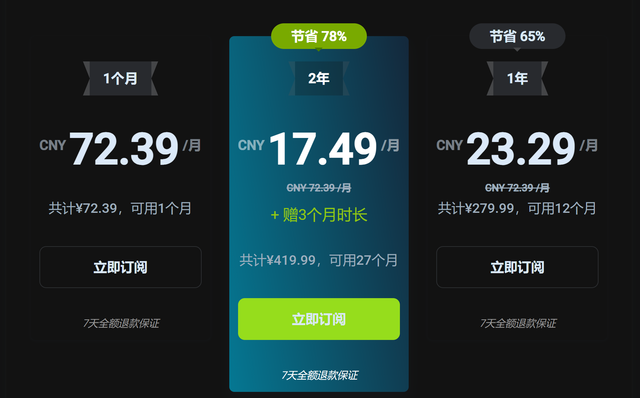
- VPNs: Typically $3–12 per month with annual plans; some providers offer savings for longer commitments.
- Proxies: Proxy services can be pay-as-you-go or monthly subscriptions; pricing varies widely by type HTTP vs SOCKS5 and location options.
- Zscaler and enterprise security: pricing is generally not public for small users; it’s typically part of a larger security budget with per‑user or per‑seat licensing.
Final tips
- Start with one tool that matches your main need and expand later if required.
- Always read the provider’s privacy policy and terms of service.
- Be aware of legal and policy obligations in your country or for the services you’re accessing.
Frequently Asked Questions
Frequently Asked Questions
Do I really need a VPN if I already use a proxy?
A VPN adds encryption to all of your traffic and protects data across all apps and services, not just the browser. Proxies may be faster for specific tasks but don’t provide the same level of protection.
Can I use a VPN and a proxy together?
Yes, but it’s usually unnecessary for most people. If you do, ensure you understand how traffic is routed and what gets encrypted.
Is Zscaler suitable for individuals?
Zscaler is primarily designed for organizations. Individuals won’t typically subscribe to Zscaler directly, but you may encounter it when connecting to a work network that uses Zscaler services. My ip address and nordvpn everything you need to know: A Practical Guide to Privacy, Speed, and Access
Do VPNs slow down my internet connection?
Some slowdown is common due to encryption and routing, but good providers minimize this with fast servers, strong protocols, and optimized networks.
Are free VPNs safe?
Most free options have significant trade‑offs, such as limited bandwidth, slower speeds, and questionable privacy practices. Paid VPNs are generally a safer bet.
Can I rely on a proxy for privacy?
Not for strong privacy protection. Proxies can reveal your data or log your activity. If privacy is important, pick a reputable VPN or a combination with other privacy tools.
What is zero‑trust access ZTNA in the context of Zscaler?
ZTNA is a security model where access to resources is granted based on identity, device health, and context rather than a broad network trust. It minimizes risk by strictly controlling who can access what, from where, and when.
How does SSL inspection in enterprise security affect users?
SSL inspection can protect against threats, but it also involves inspecting encrypted traffic. Organizations must balance security with privacy and user experience. How to setup nordvpn on your asus router a step by step guide for total network protection
Are VPNs legal everywhere?
In most places, yes, but some countries restrict or regulate the use of VPNs. Always check local laws and service terms before using a VPN in restricted regions.
How do I choose the best provider for my needs?
Identify your primary use case privacy, streaming, remote work, check privacy policies, look for independent audits, test speeds and reliability, and compare pricing.
Note: If you’re ready to explore a solid, privacy‑focused option for yourself, consider checking trusted providers and reading current reviews to find the right fit for your needs. For those curious about a popular option, NordVPN often comes up in reviews for strong privacy features, robust security, and broad device support. You can explore options and trial periods to see what works best for you.
Sources:
电脑添加vpn连接:完整指南與實操技巧,快速設置與常見問題解析
Nordvpn Meshnet Alternatives Your Top Picks for Secure Device Connections Vpn proxy ovpnspider 무엇이고 어떻게 사용해야 할까요: VPN, 프록시, OVPNSpider 비교 및 사용 가이드
海外加速器推荐:VPN速度、隐私与海外访问全攻略 2026
Ipsec vs ssl vpn welches ist die bessere wahl fur dich: Vergleich, Vorteile, Sicherheit, Performance, Anwendungsszenarien
8 Meilleures Campagnes De Medias Sociaux Pour Tinspirer En 2026