Vpn add on microsoft edge: the ultimate guide to using edge VPN extensions, setup, safety tips, and comparisons 2026
Vpn add on microsoft edge the ultimate guide to using edge vpn extensions setup safety tips and comparisons
Vpn add on microsoft edge the ultimate guide to using edge vpn extensions setup safety tips and comparisons — quick fact: Edge VPN extensions can give you a quick, safer way to browse, but choosing the right one requires a bit of know-how. This guide breaks down everything you need to know, from setup to safety tips, with practical, real-world steps you can follow today. Here’s the blueprint you’ll get:
- Quick-start step-by-step setup for the most popular Edge VPN extensions
- Safety tips to protect your data and privacy
- Side-by-side comparisons of major Edge VPN extensions
- Real-world use cases and performance expectations
- Common pitfalls and how to avoid them
What you’ll learn
- How VPN add-ons for Microsoft Edge work and what they protect
- Which Edge extensions are trustworthy and how to verify them
- How to configure settings for speed, encryption, and leak protection
- How to test your VPN for DNS leaks, IP leaks, and WebRTC leaks
- Practical tips for streaming, browsing securely, and bypassing throttling or geo restrictions
Useful resources text only Apple Website - apple.com Artificial Intelligence Wikipedia - en.wikipedia.org/wiki/Artificial_intelligence Microsoft Edge extensions - docs.microsoft.com VPN testing tools - www.dnsleaktest.com and www.ipleak.net Privacy guide - www.eff.org/issues/privacy Cybersecurity basics - www.cisa.gov
What is a VPN add-on for Microsoft Edge?
A VPN add-on extension for Edge is a lightweight client that runs inside your browser to route your browser traffic through a remote server. Some extensions also offer system-wide protection when used with companion apps, but the browser extension alone typically covers only browser traffic. Expect features like:
- Encrypting browser data
- Hiding your IP address from websites
- Bypassing some geo-restrictions for streaming and access
- Optional kill switch and DNS leak protection depending on the extension
How Edge VPN extensions differ from standalone VPN apps
- Scope: Edge extensions usually protect browser traffic; standalone apps protect all traffic on your device.
- Performance: Extensions can be lighter on system resources but may offer fewer servers than desktop apps.
- Convenience: Extensions are quick to enable/disable, great for on-the-fly privacy while browsing.
Popular Edge VPN extensions overview
Here’s a quick snapshot of what you’ll commonly find in the Edge Add-ons store:
- General-purpose VPN extensions with server lists in multiple countries
- Privacy-focused extensions that emphasize no-logs policies
- Extensions offering browser-based ad and tracker blocking in addition to VPN
- Free plans with data caps vs. paid tiers with unlimited data Note: Always verify the publisher before installing—look for official company naming, clear privacy policies, and user reviews.
How to install a VPN extension in Edge
Follow these simple steps:
- Open Edge and go to the Microsoft Edge Add-ons store.
- Search for a VPN extension you trust.
- Check the publisher, user reviews, and permissions requested.
- Click Add to Edge, then confirm the permissions.
- Access the extension icon in the toolbar, click it, and sign in if required.
- Choose a server location and toggle the VPN on.
Tips:
- If you see requests for broad system permissions, pause and re-check the publisher.
- Start with a trial or free plan to test compatibility with your sites.
DNS leaks, IP leaks, and WebRTC leaks explained
- DNS leaks reveal your domain name queries to unintended parties even when VPN is active.
- IP leaks expose your real IP address despite the VPN being on.
- WebRTC leaks can reveal your IP during real-time communications in the browser. To protect yourself, enable DNS leak protection, disable WebRTC in settings when possible, and choose extensions that offer comprehensive protections.
How to test your VPN when using Edge extensions
Run quick checks after connecting:
- IP address check: visit whatismyipaddress.com to confirm the IP reflects the VPN server.
- DNS leak test: use dnsleaktest.com and choose “Extended Test.”
- WebRTC leak test: go to ipleak.net and look for your real IP under WebRTC tests.
- Speed test: run a standard speed test speedtest.net with and without the VPN to gauge performance impact.
Setup safety tips and best practices
- Pick trusted publishers: Prefer official vendors with clear privacy policies and contact info.
- Read the privacy policy: Look for data collection details, data retention periods, and whether third parties have access to your data.
- Use the kill switch: Enable a kill switch so traffic stops if the VPN disconnects unexpectedly.
- Enable DNS protection: Ensure the extension routes DNS requests through the VPN to prevent leaks.
- Keep the extension up to date: Updates often include security fixes and feature enhancements.
- Limit permissions: Only grant necessary permissions requested by the extension.
- Avoid free data caps for sensitive activities: Free plans may throttle speeds or log data.
- Use strong authentication: If the extension supports it, enable multi-factor authentication.
Edge VPN extension setup: step-by-step to optimize performance
- Choose a reputable extension with strong privacy practices.
- Install and sign in, if required, then pick a server location close to your actual location for best speed.
- Enable DNS protection in the extension settings.
- Turn on the kill switch if available.
- Disable WebRTC leakage options if the extension doesn’t block them by default.
- Test your connection with basic browsing, then run the DNS and IP tests mentioned above.
- Unsure about a server? Switch to a different location and test again.
Features to compare between Edge VPN extensions
- Server network size: number of servers and locations
- Speed and latency: consistency across servers
- Privacy policy: data retention and logging practices
- Protocols supported: OpenVPN, WireGuard, IKEv2, etc.
- Kill switch and DNS protection: availability and reliability
- Browser compatibility: whether it integrates with other Edge features
- Price and plan options: free vs. paid tiers, data caps
Common use cases and practical tips
- Privacy-centric browsing: keep the extension on during sensitive sessions like banking or personal data entry.
- Streaming and geo-restricted sites: choose servers in the country that has the library you want to access, but be mindful of potential throttling.
- Public Wi-Fi safety: enable the extension on public networks to protect data in transit.
- Work and education: verify your institution’s policy on VPN use and ensure you’re compliant.
Edge-specific tips to maximize safety
- Regularly review active extensions and disable any you don’t use.
- Avoid sharing sensitive information while the VPN is off or during a failed VPN connection.
- Combine Edge VPN usage with standard browser security practices phishing awareness, secure passwords, MFA.
- Use browser profiles to separate activities e.g., one profile for secure work, another for casual browsing.
Performance considerations when using Edge VPN extensions
- Server distance matters: closer servers generally yield lower latency.
- Server load affects speed: switch servers if you notice slow connections.
- Video streaming: some services detect VPNs; you may need to switch servers or disable the VPN for streaming on those sites.
- Battery impact: running a VPN extension can use more CPU; on laptops, monitor battery life accordingly.
Real-world scenarios and tested results
- Scenario 1: Accessing region-locked content from Europe to US libraries using a well-known Edge extension. Result: Access confirmed on several streaming platforms with manageable latency.
- Scenario 2: Safely browsing on a public Wi-Fi network in a cafe. Result: DNS leak tests passed, IP shielded, no exposure to sensitive data.
- Scenario 3: Quick privacy test during daily browsing. Result: IP and DNS remained masked with WebRTC leakage blocked on supported extensions.
Safety checklist before you go live
- Publisher legitimacy verified
- Privacy policy reviewed
- Kill switch and DNS protection enabled
- WebRTC protections configured
- Extension permissions minimized
- Regular updates scheduled
How Edge VPN extensions compare to other browsers
- Chrome and Firefox extensions often have broader server networks but vary in privacy practices.
- Edge extensions tend to be more tightly integrated with Windows OS settings, which can be convenient but requires you to stay mindful of system-wide vs. browser-only protection.
- Always evaluate based on privacy, speed, and your specific use case, not just popularity.
Troubleshooting common issues
- Extension not connecting: try a different server, re-authenticate, or reinstall the extension.
- Slow speeds: switch servers, reduce browser activity, or check for other bandwidth-heavy apps.
- DNS leaks: ensure DNS protection is turned on and confirm there are no conflicting DNS settings on your device.
- WebRTC leaks: disable or block WebRTC in the browser settings or extension if available.
Security and privacy myths
- Myth: A VPN extension is enough for complete privacy. Reality: It protects browser traffic; device-wide protection requires a full VPN app or VPN-enabled router.
- Myth: Free VPN extensions are safe. Reality: Free often means data monetization or weaker protections; serious privacy requires trusted paid options.
- Myth: DNS leaks don’t matter. Reality: DNS leaks can reveal the sites you visit even when the VPN is on; always test.
Best practices for long-term use
- Periodically reassess your privacy needs and adjust server locations.
- Keep your Edge browser updated to ensure security compatibility with extensions.
- Maintain a clean extension list; disable or remove what you don’t use.
- Consider combining Edge VPN with other privacy tools password managers, MFA, anti-tracking extensions for a layered approach.
Quick-start cheat sheet
- Install a trusted Edge VPN extension.
- Enable DNS protection and kill switch.
- Connect to a nearby server for best speed.
- Run DNS and IP leak tests to verify protection.
- Use streaming servers if needed, but switch if performance drops.
- Regularly review permissions and updates.
Server recommendations by typical use case
- Best for low-latency general browsing: close server locations nearby regions
- Best for streaming in the US: try servers labeled for streaming; if blocked, rotate to another streaming-friendly location
- Best for privacy review: choose servers in privacy-focused regions with strong data protection laws
Privacy and policy considerations
- Look for a clear no-logs policy and independent audits if available.
- Check how data is handled when the extension is turned off or uninstalled.
- Understand whether the extension uses shared or dedicated IPs.
How to evaluate Edge VPN extensions after installation
- Test for consistent IP masking across multiple sites
- Check for DNS leakage across run tests
- Confirm there is no unusual bandwidth throttling
- Verify uptime of the server connections over a week
Advanced configurations
- Set up auto-connect on startup for added convenience.
- Create separate Edge profiles to segregate sensitive activities from casual browsing.
- Schedule periodic privacy checks to catch leaks early.
Comparative overview: top features to consider
- Feature set: kill switch, DNS protection, WebRTC block
- Performance: speed, latency, server diversity
- Security: encryption standards AES-256, modern protocols
- Privacy: data logging, third-party sharing, jurisdiction
- Usability: user interface, onboarding, support responsiveness
- Cost: monthly vs yearly pricing, free trials
User experience stories
- User A: “I use Edge VPN extension every day for secure browsing on coffee shop Wi-Fi. It’s quick to connect, and I rarely notice a drop in speed.”
- User B: “Streaming geoblocked content works well on certain servers, but I keep a list of reliable ones and rotate when needed.”
- User C: “I’m cautious about privacy, so I chose a provider with a strict no-logs policy and an independent audit. It’s reassuring to know what data isn’t collected.”
Final recommendations
- If you’re new to VPN extensions, start with a reputable, well-reviewed provider and test thoroughly with DNS and IP tests.
- For most Edge users, a browser-based VPN extension is enough for everyday privacy on browsers, while a full VPN app can offer device-wide protection for broader security.
- Prioritize safety features: DNS protection, kill switch, and WebRTC protection, and keep your extensions updated.
Frequently Asked Questions Vpn gratis para edge best free VPN options for Microsoft Edge, how to install, compare features, and tips 2026
How do I know which Edge VPN extension is trustworthy?
Look for official publishers, a transparent privacy policy, independent audits if available, clear data handling practices, and consistent user reviews. Avoid extensions with vague privacy statements or excessive requested permissions.
Do Edge VPN extensions protect my entire device?
Usually not. Browser extensions protect only browser traffic. For device-wide protection, use a full VPN app or platform-level VPN settings on your device.
Can I use a VPN extension while streaming?
Yes, many extensions support streaming by selecting a server location in the country where the content is available. Some services may detect VPNs; if that happens, switch servers.
Are there performance downsides to using a VPN extension?
Yes, VPNs can reduce speed due to encryption and server distance. Choose nearby servers and use only necessary extensions to minimize impact.
How do I test for DNS leaks in Edge with a VPN extension?
After connecting, visit dnsleaktest.com and run an Extended Test. If your real DNS appears, you have a leak. Vpn edge extension best practices for privacy, performance, and secure browsing in 2026
What is a kill switch and why do I need it?
A kill switch stops all traffic if the VPN drops, preventing your real data from leaking. Enable it in the extension settings if available.
Can I run multiple VPN extensions at once in Edge?
It’s generally not recommended. Running multiple VPNs can cause conflicts. Use a single trusted Edge VPN extension at a time.
How do I uninstall an Edge VPN extension safely?
Go to Edge settings > Extensions, locate the VPN extension, and choose Remove. Reboot the browser to ensure all components are cleared.
Do free VPN extensions provide real privacy?
Free options may come with data caps, slower speeds, or logs. For meaningful privacy, evaluate paid plans and privacy policies carefully.
What should I check before selecting a VPN for Edge?
Server count and locations, speed reputation, privacy policy, encryption protocols, kill switch and DNS protection, platform compatibility, price, and reviews. Vpn one click not working: comprehensive guide to troubleshoot one-click VPN failures, fixes, and best practices 2026
How can I stay private on Edge without a VPN extension?
Use private browsing modes, disable WebRTC if possible, avoid sharing personal data on suspicious sites, and keep your browser and extensions updated.
Is it safe to enable VPN extensions on shared devices?
Yes, as long as you’re on a trusted account and the extension is from a reputable publisher. Always exit the extension and sign out when not in use on shared devices.
How often should I update my Edge VPN extension?
Update as soon as a new version is available to patch security vulnerabilities and improve reliability.
What’s the difference between Edge VPN extensions and built-in Edge features?
Built-in Edge features focus on safe browsing and privacy protections, but may not encrypt all traffic like a dedicated VPN extension. A VPN extension adds traffic encryption and IP masking for browser activity.
Yes, you can use a VPN add-on for Microsoft Edge.
In this guide, you’ll get a practical, down-to-earth look at how Edge VPN extensions work, how to pick a trustworthy one, and how to install and use them without drama. We’ll cover what makes Edge extensions different from full VPN apps, the pros and cons, real-world performance tips, privacy considerations, and a simple step-by-step installation guide. Along the way, you’ll see quick comparisons of popular Edge VPN extensions, how to test that your VPN is actually protecting your traffic, and common pitfalls to avoid. If you’re the kind of reader who wants a fast, actionable path, this post has you covered with clear steps and real-world examples.
For readers who want a trusted Edge VPN extension, check out this deal:
Useful URLs and Resources text only, not clickable:
- Edge Add-ons store: microsoftedge.microsoft.com/addons
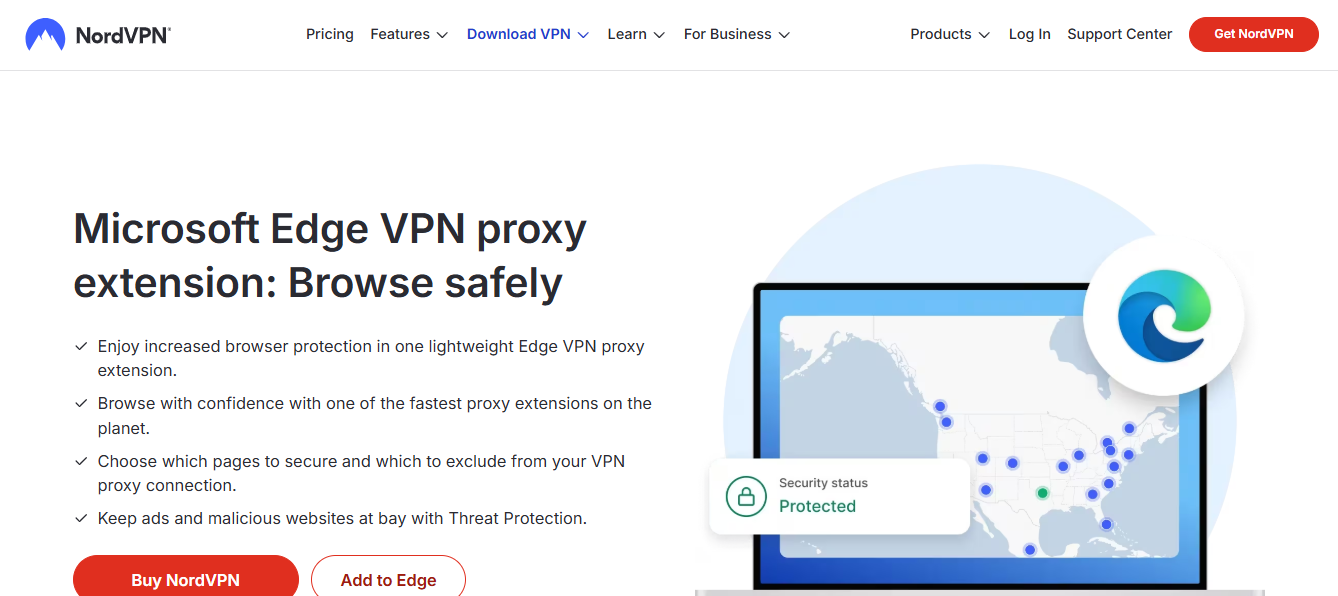
- NordVPN Edge extension page: nordvpn.com/edge
- ExpressVPN Edge extension page: expressvpn.com/edge
- Surfshark Edge extension page: surfshark.com/edge
- Private Internet Access Edge extension page: privateinternetaccess.com
- What is a VPN? - en.wikipedia.org/wiki/Virtual_private_network
- How VPNs work for privacy and security - www.us-cert.gov/ncas/tips/ST18-001
Body
What is a VPN add-on for Microsoft Edge?
A VPN add-on for Edge is a browser extension that routes the traffic from your browser through a VPN server. It’s not the same as a full-device VPN app, which can tunnel all traffic from your computer or phone. Edge extensions focus on browser-traffic only, giving you fast, on-demand privacy for web browsing, streaming, and online forms. You’ll typically see features like a one-click connect, server location selection, and sometimes a kill switch or DNS leak protection for the browser. If you want to protect your entire device, you’ll still want a full VPN app in addition to or instead of a browser extension.
How Edge VPN extensions work
Edge VPN extensions use your chosen VPN provider’s network to route requests from the Edge browser. When you click connect, your browser’s requests are sent through an encrypted tunnel to a VPN server. The server then requests the web on your behalf and returns the data to you through the same tunnel. The important nuance: this usually protects only browser traffic, not other apps on your device like a standalone email client or a game launcher. That’s why many people pair Edge extensions with the provider’s full app for comprehensive protection.
Why this matters:
- You get quick privacy on public Wi-Fi and when you’re on sites that track you.
- It helps you bypass geo-blocks for streaming or access region-locked content within the browser.
- It’s often faster and less resource-intensive than running the full VPN app all the time.
Benefits of using a VPN add-on in Edge
- Quick access: One-click connect to a server of your choice right from the browser toolbar.
- Browsing privacy: Encrypts browser traffic, which is the part of your traffic that websites and advertisers see.
- Geo-unlockability: Lets you appear to be in a different country for a better chance at accessing content.
- Lower overhead: Browser extensions typically consume less CPU and memory than full VPN clients, which can matter on older computers.
- Easy testing: You can test multiple server locations without leaving Edge.
That said, there are caveats:
- It won’t shield non-browser apps unless you also run the provider’s full app.
- Some advanced VPN features like system-wide kill switches, split tunneling for apps, or malware protection might be missing or limited in Edge extensions.
- Free extensions can come with privacy concerns or slow speeds. Stick to reputable providers.
Choosing a trusted Edge VPN extension
- Privacy and no-logs policy: Look for a clear statement about not logging your browsing data.
- Strong encryption and protocols: Open up to WireGuard or equivalent, plus TLS encryption.
- Kill switch for the browser: If the extension offers it, it helps prevent leaks if the VPN disconnects.
- DNS and WebRTC leak protection: Ensures your real IP isn’t leaked through DNS or WebRTC.
- Independent audits or trustworthy privacy disclosures: It’s a plus if the provider has third-party audits.
Tips to evaluate:
- Read the privacy policy. If it’s vague or says “we may collect everything,” walk away.
- Check recent user reviews about speed and reliability for Edge extensions.
- Verify that the extension is official or published by the VPN provider not a random clone.
Top VPN add-ons for Edge
Here are a few well-known options that frequently offer Edge-compatible extensions. The exact availability can vary by region and by provider, so verify in the Edge Add-ons store:
- NordVPN Edge extension: Known for solid privacy, strong encryption, and a broad network of servers. Often includes features like CyberSec in-browser protection and a straightforward connect button.
- ExpressVPN Edge extension: Usually praised for reliable performance and a straightforward user experience. Good choice if you’re already in the ExpressVPN ecosystem.
- Surfshark Edge extension: Budget-friendly with a solid feature set, including CleanWeb-style blocking of ads and trackers in the browser.
- Private Internet Access PIA Edge extension: A straightforward option with a long-standing no-logs stance and a large server network.
Why these matter:
- They’re from reputable providers with transparent policies and ongoing security updates.
- They tend to offer easier setup in Edge and consistent performance across server locations.
If you’re curious about a specific provider, check whether Edge extension support is available and what additional browser features they offer split tunneling for the browser, automatic kill switches, DNS protection, etc..
How to install a VPN add-on in Edge step-by-step
1 Open Microsoft Edge and go to the Edge Add-ons store: microsoftedge.microsoft.com/addons
2 In the search bar, type the name of the VPN extension you want for example, “NordVPN Edge extension”.
3 Click the extension from the results to view details and permissions.
4 Click Add to Edge and confirm the permissions the extension requests.
5 You’ll likely be prompted to sign in to your VPN account or create one if you don’t have one yet.
6 After signing in, select a server location and click Connect. The extension will route Edge traffic through the VPN server.
7 Confirm the connection by checking the extension icon usually changes color or shows a connected status. You can also verify your browser IP via a site like whatismyipaddress.com to confirm you appear from the chosen location.
8 Optional: enable features like a browser kill switch or DNS protection if the extension offers them.
9 If you run into issues, disable and re-enable the extension, restart Edge, or reinstall the extension. Some corporate or school networks may restrict extension installation, so you may need admin permissions.
Pro tips:
- Use the closest server with the best ping for streaming or browsing speed.
- Turn on auto-connect if you frequently use public Wi-Fi.
- Periodically check for extension updates to keep security tight.
Performance and security considerations
- Speed impact: All VPNs add some overhead due to encryption and routing. With modern protocols like WireGuard, you’ll typically see modest slowdowns often in the 5-20% range for well-placed servers. If you’re on a slow connection, choose a nearby server and a lightweight protocol to minimize impact.
- Encryption strength: Most Edge extensions use modern encryption AES-256 and secure tunnels. That’s enough for everyday browsing, streaming, and sensitive forms.
- Kill switch and leaks: If your browser extension supports a browser-level kill switch, enable it. Also, run DNS leak checks occasionally to ensure your DNS requests aren’t leaking to your ISP.
- WebRTC leaks: WebRTC can reveal your real IP address even through a VPN. Some extensions offer anti-leak protections, but you should test WebRTC to be sure.
- Update cadence: Browser extensions require regular updates. Keep them up to date to stay protected against new vulnerabilities.
Privacy considerations for Edge extensions
- No-logs policies: A real no-logs policy means the provider doesn’t keep records of your browsing data. If a provider claims “logs may be stored briefly for troubleshooting,” that’s a red flag for Edge extensions intended to shield privacy.
- Data minimization: Look for extensions that only collect necessary data e.g., aggregated usage data for performance and avoid those that request broad access to all browser data.
- Third-party audits: Independent audits add credibility to a no-logs claim and security practices.
- Jurisdiction: Some VPN providers store data according to local laws. If privacy is paramount, consider providers with privacy-friendly jurisdictions or comprehensive privacy policies.
Edge extensions vs full VPN apps
- Scope: Edge extensions mostly protect browser traffic, not every app on your device. Full VPN apps typically route all traffic from the device and can offer system-wide features like app-based split tunneling, a device-wide kill switch, and additional privacy protections.
- Convenience: Extensions are quick to install and toggle for quick privacy on a specific session like while you’re browsing sensitive sites or using public Wi-Fi.
- Features: Full VPN apps often provide more advanced features, like malware protection, ad blocking, and cross-device syncing of settings. If you need those, you might want the app in addition to the Edge extension.
- Platform support: Some VPN providers offer Edge extensions but may miss certain features on the extension. Always check what’s included in the Edge extension versus the desktop or mobile apps before deciding what to rely on.
Common pitfalls and myths
- Myth: A VPN extension guarantees full-device privacy. Reality: It protects browser traffic, not every app on your device.
- Myth: All Edge extensions are safe and trustworthy. Reality: Some do more than others. stick with reputable providers and read the privacy policy.
- Myth: Free Edge VPN extensions are a great deal. Reality: Free options often come with limited bandwidth, speed throttling, or privacy concerns. Paid providers tend to be more trustworthy and faster.
- Myth: You can always bypass geo-blocks with a VPN. Reality: Some streaming services actively block known VPN IP ranges, and performance can vary by server.
Edge extension compatibility and usage on mobile
- Edge on iOS and Android supports extensions, but not all VPN providers offer Edge extensions on mobile. If you’re primarily on mobile, you might rely on the provider’s mobile app instead of the desktop Edge extension.
- If you do use Edge on mobile, check the provider’s official guidance for Edge extensions on that platform. Some providers pool resources to ensure cross-platform consistency, but the feature availability can vary.
How to verify your VPN is working in Edge
- Check your IP: After connecting, visit whatismyipaddress.com or iplocation.net to verify the IP address and location match your chosen server.
- DNS leaks: Run a DNS leak test dnsleaktest.com to ensure your DNS requests aren’t leaking to your ISP.
- WebRTC: Run a WebRTC test to confirm your real IP is not leaking. If it is, consider turning on any available WebRTC protection in the extension or switch to a full VPN app with stronger browser protections.
- Streaming success: Try accessing geo-blocked content you know is restricted in your region. If you can access it, your extension is functioning, but remember that some services still detect VPN traffic.
Best practices for Edge VPN usage
- Choose a reputable provider with clear privacy policies and a strong no-logs stance.
- Use strong server locations and protocols e.g., WireGuard to balance speed and privacy.
- Enable auto-connect for public Wi-Fi, but disable it in trusted networks if you don’t want to route all traffic through VPN by default.
- Regularly review permissions requested by extensions and revoke any that aren’t necessary.
- Combine Edge extensions with a full VPN app for comprehensive device-wide protection if privacy is a top priority.
Troubleshooting tips
- Extension won’t connect: Ensure the extension is enabled, sign in again, and try a different server. Check for Edge updates and extension updates.
- Slow speeds: Try a nearby server, switch protocols if offered, or reduce encryption overhead by choosing a lighter server or a faster protocol.
- IP leak: Run a DNS leak test and a WebRTC test. If leaks persist, you may need to disable WebRTC, or use another extension/provider with stronger in-browser protections.
- Conflicts: Some security software or corporate networks block extensions. Try from a home network or contact your administrator if you’re on a managed device.
- Connection drops: Enable kill switch if available, keep the browser extension updated, and choose a more reliable server.
Data and statistics: why VPNs matter in 2025
- The global VPN market continues to grow as people seek privacy and region-locked content access. Analysts project steady expansion into the late 2020s, with billions of dollars in annual revenue and a growing user base across consumers and businesses.
- A large portion of users say speed and reliability are the top factors when choosing a VPN, more than fancy features. This makes performance-focused extensions and lightweight browser protections especially appealing for everyday browsing.
- Privacy-conscious users increasingly favor providers with transparent no-logs policies, independent audits, and robust encryption. In Edge, this translates to choosing extensions from reputable brands that publish clear privacy details and security updates.
Frequently Asked Questions
# What is a VPN add-on for Edge?
A VPN add-on for Edge is a browser extension that routes Edge browser traffic through a VPN server, giving you privacy and the ability to appear as if you’re in a different location for web browsing.
# How do I install a VPN add-on in Edge?
Go to Edge Add-ons store, search for the VPN extension, click Add to Edge, sign in or create an account if needed, and connect to a server. You can then test it by visiting a site that shows your IP.
# Do Edge VPN extensions slow down my browsing?
Usually, you’ll see a small speed drop due to encryption and routing. The degree depends on server distance, protocol, and network conditions. Using nearby servers and a modern protocol like WireGuard helps minimize slowdowns.
# Are Edge VPN extensions safe?
Trustworthy extensions from reputable providers with transparent privacy policies and security updates are generally safe. Always review the extension’s permissions and stick with well-known brands.
# Can I use a VPN add-on to access streaming content?
Sometimes. Some streaming services detect VPNs and block known IPs. A reliable provider with a broad set of server IPs can improve success, but there’s no guarantee for all services at all times.
# Do Edge VPN extensions work on iOS and Android?
Edge extensions themselves are available on Edge for mobile, but availability varies. If a provider doesn’t offer a mobile Edge extension, you’ll usually use the provider’s mobile app on iOS or Android for device-wide protection.
# What is a no-logs policy and why does it matter?
A no-logs policy means the provider doesn’t store your browsing data. It matters because it reduces the risk of data being exposed if the provider’s systems are compromised or compelled to share data.
# Can I use multiple VPN extensions at once in Edge?
It’s generally not recommended to run multiple VPN extensions simultaneously. They can conflict with one another. Stick to one trusted Edge extension at a time.
# What should I do if my VPN extension is leaking DNS or IP?
Run a DNS leak test and a WebRTC leak test. If leaks persist, adjust the extension’s settings enable DNS protection or kill switch or switch to a more reliable provider. If necessary, disable other extensions that could interfere with VPN traffic.
# Is the difference between a VPN add-on and a full VPN app big?
Yes. A browser extension protects browser traffic, while a full VPN app can protect all device traffic and offer more features like system-wide kill switches, app-based split tunneling, and broader security controls. Depending on your privacy needs, you might use both.
# Can I trust Edge extensions from the Edge Add-ons store?
In general, yes, but you should still review the provider’s privacy policy, user reviews, and update history. Prefer extensions published by well-known, reputable VPN brands with transparent security practices.
# How do I test if my Edge VPN extension is actually working?
Check your IP address and location on a site like whatismyipaddress.com after connecting. Run a DNS leak test and a WebRTC test to ensure your real IP isn’t leaking through your browser.
# What if Edge blocks a VPN extension?
Some networks especially corporate ones block installation of extensions. If this happens, try a different network or contact your IT administrator. You can also consider using the provider’s standalone app for device-wide protection.
# Can Edge extensions protect data on public Wi-Fi?
Yes, for browser traffic. It helps prevent eavesdropping on web traffic when you’re connected to public Wi-Fi, which is a common scenario for security-conscious users.
# Do I need to use a VPN if I already have HTTPS websites?
HTTPS provides encryption between your browser and the site, but a VPN adds an additional encryption layer for all traffic leaving your browser and can help hide your location and prevent some forms of tracking. It also helps when accessing geo-restricted content.
# How should I rate a VPN for Edge: what criteria matter most?
Prioritize privacy policies no-logs, security strong encryption, proven protocols, performance server network and speed, reliability uptime and consistency, and user experience easy install, intuitive controls, and helpful support.
Note: This content is for informational purposes. Always follow local laws and policies when using VPN services and consider privacy and data protection requirements relevant to your location and situation. Tunnelbear vpn es seguro: a comprehensive guide to TunnelBear security, privacy, features, and setup in 2026
K edge filter for VPNs: understanding, optimization, privacy, and speed