X vpn alternatives for privacy, streaming, and secure browsing on all devices 2026
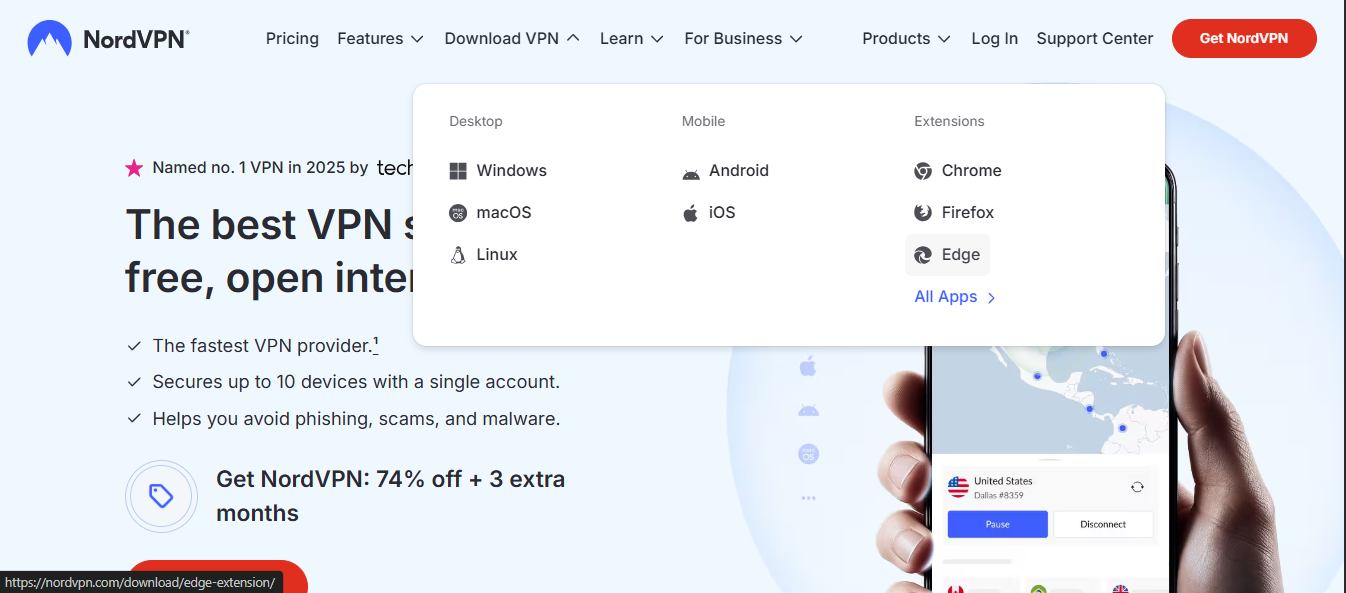
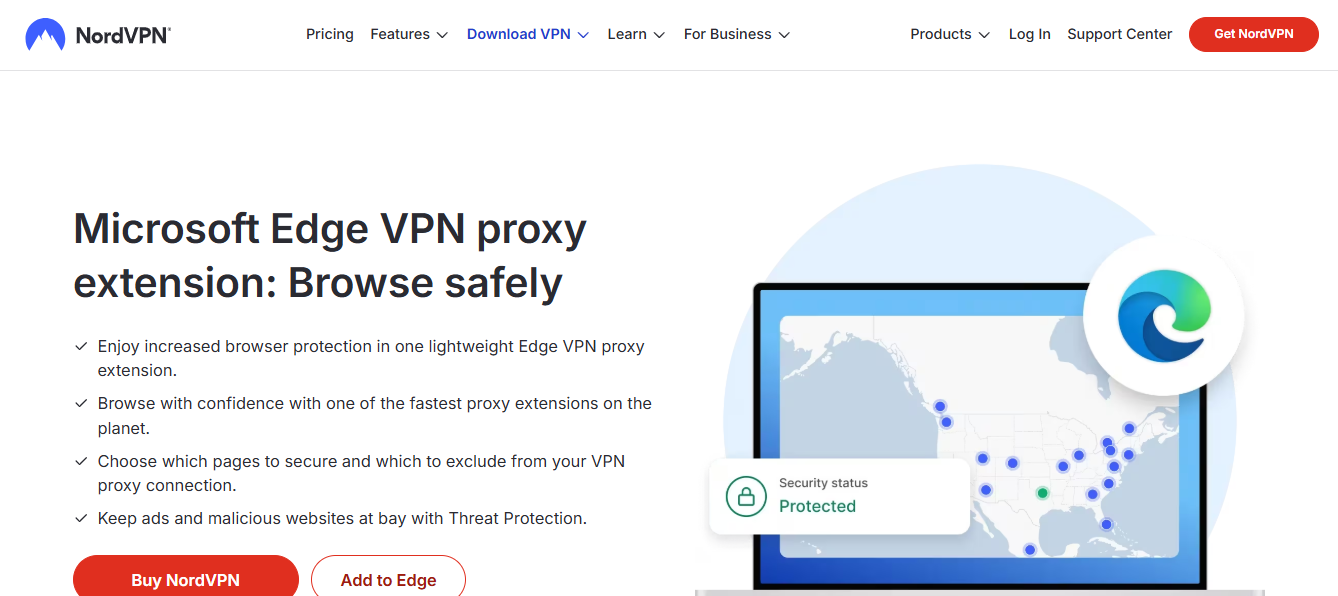
X vpn alternatives for privacy streaming and secure browsing on all devices. Quick fact: using a reliable VPN-lite approach can boost online privacy without sacrificing performance. In this guide, you’ll get a practical, easy-to-follow breakdown of top alternatives, including what they do, how they compare, and when to use them. Here’s a concise roadmap:
- What these tools are and aren’t
- How they protect your privacy while streaming
- Device compatibility and setup tips
- Real-world pros, cons, and best-use scenarios
- Quick-start steps you can copy/paste into your routine
Key takeaways
- You don’t need a perfect VPN to stay private; the right tool depends on your goals privacy, streaming, or secure browsing.
- Some alternatives are better for streaming geo-restricted content, while others shine for daily secure browsing.
- Always verify device compatibility and logging policies before trusting any service.
Useful URLs and Resources text only Apple Website - apple.com, Google Safety Center - safety.google.com, Mozilla Privacy - bleepingcomputer.com, Electronic Frontier Foundation - eff.org, VPN comparison guides - avast.com/blog, TechCrunch privacy coverage - techcrunch.com, Wikipedia Privacy - en.wikipedia.org/wiki/Privacy, Digital Rights Foundation - digitalrightsfoundation.org
Table of Contents
- Why consider X vpn alternatives
- Top privacy and streaming tools
- How to choose the right tool for you
- Setup and usage tips
- Real-world use cases
- Security best practices beyond VPNs
- Frequently Asked Questions
Why consider X vpn alternatives
If you’re chasing privacy, streaming freedom, and secure browsing across all your devices, you’re not alone. A growing number of services offer comparable protections without the classic VPN footprint. In practice, you’re weighing factors like data retention policies, logging, jurisdiction, speed, and device support. Here are common motives people cite:
- Bypassing geo-restrictions for streaming on smart TVs, consoles, or mobile devices
- Reducing exposure to data collection from ISPs and advertisers
- Enhancing security on public Wi-Fi
- Finding user-friendly tools that work across Windows, macOS, Android, iOS, and routers
We’ll cover both traditional VPNs and potent alternatives so you can mix and match based on what matters most to you.
Top privacy and streaming tools
Below is a mix of alternatives that frequently come up in discussions about privacy, streaming, and secure browsing. I’ve organized them into clear categories and included quick notes on what each does well.
1 Privacy-focused DNS services safe, fast, passive privacy
- What it is: DNS resolvers that block malicious domains and/or do not log your queries.
- Pros: Minimal setup, no data to a VPN tunnel, often faster for browsing.
- Cons: Doesn’t mask your IP by default; may require additional privacy layers for full anonymity.
- Best for: Everyday browsing privacy and reducing footprint when streaming isn’t the main goal.
Examples:
- NextDNS
- Cloudflare Warp focus on mobile privacy, with some VPN-like routing
- AdGuard DNS
2 Tor Browser and Tor Network
- What it is: An anonymity network that routes traffic through multiple volunteers’ nodes.
- Pros: Strong anonymity, designed to hide your origin.
- Cons: Slow for video streaming; some sites block Tor exit nodes.
- Best for: High-privacy browsing, not ideal for HD streaming on a regular basis.
3 Smart DNS services
- What it is: Routes DNS requests to make streaming services think you’re in a different location.
- Pros: Fast for streaming; usually doesn’t encrypt all traffic so speed can be good.
- Cons: Doesn’t provide full encryption; may be blocked by some streaming services.
- Best for: Accessing geo-restricted content without slowing down all traffic.
- Unlocator
- Smart DNS Proxy
- Instant-Global DNS
4 Privacy-focused browser extensions and privacy modes
- What it is: Tools that block trackers, cookies, fingerprinting, and give some control over your data.
- Pros: Easy to enable; works in any browser.
- Cons: Doesn’t hide your IP; must be combined with other protections for true privacy.
- Best for: Everyday browsing hygiene and reducing tracking.
Examples:
- Privacy Badger
- uBlock Origin with privacy-centric filters
- HTTPS Everywhere
5 Virtual private networks with lightweight profiles
- What it is: Traditional VPNs but you can choose lighter encryption, fewer servers, or privacy-first policies.
- Pros: Strong IP masking and encryption.
- Cons: Some providers log data or slow down streaming.
- Best for: When you need true VPN-like protection without overcomplicating setup.
Examples:
- Proton VPN privacy-first policies
- Mullvad no email signup, strong privacy posture
- IVPN
6 Encrypted proxy services
- What it is: Proxies that encrypt traffic between your device and the proxy server.
- Pros: Simple setup; can be fast.
- Cons: Not as secure as full VPN; some proxies log data.
- Best for: Quick privacy boost on desktops when VPNs are not an option.
Examples:
- Hide.me Proxy
- PrivadoVPN offers proxy options as well
7 Mesh networks and personal VPN-like setups
- What it is: Peer-to-peer encrypted channels between devices you control.
- Pros: No centralized vendor; you control the keys.
- Cons: Complex setup; not ideal for beginners.
- Best for: Tech-savvy users who want to experiment with private networking.
8 Browser-based secure browsing modes
- What it is: Modes that limit data collection on specific websites, often within the browser.
- Pros: Simple and quick; no extra software.
- Cons: Limited scope; not a full privacy shield.
- Best for: Quick protection on public machines or shared devices.
9 Privacy-oriented operating systems and devices
- What it is: Tailored OS configurations that minimize data leaks and telemetry.
- Pros: Long-term privacy improvements; fewer background data leaks.
- Cons: Compatibility and learning curve.
- Best for: Users seeking a privacy-first digital life.
10 Secure cloud storage with client-side encryption
- What it is: Cloud storage that encrypts data on your device before it leaves your device.
- Pros: Strong data protection for backups.
- Cons: Not a direct privacy shield for your internet traffic; benefits data at rest and in transit.
- Best for: Protecting files, backups, and sharing securely.
Quick comparative table at-a-glance
- Tool type: Privacy-focused DNS services | Pros: Easy setup, fast | Cons: No IP masking by default
- Tool type: Tor Browser | Pros: Strong anonymity | Cons: Slow for streaming
- Tool type: Smart DNS | Pros: Fast streaming access | Cons: No full encryption
- Tool type: Lightweight VPN profiles | Pros: Strong IP masking | Cons: Potential logging
- Tool type: Encrypted proxies | Pros: Simple setup | Cons: Less secure than VPNs
How to choose the right tool for you
Choosing the right X vpn alternatives for privacy streaming and secure browsing on all devices comes down to your goals and tech comfort. Here’s a practical checklist:
- Define your primary goal
- Streaming geo-restrictions? A Smart DNS or a privacy-first VPN might be ideal.
- Maximum privacy for everyday browsing? A privacy-focused DNS plus a Tor approach or a no-logs VPN.
- Public Wi-Fi security? A VPN with strong encryption, plus DNS privacy.
- Device coverage
- Do you need coverage on smartphones, tablets, laptops, smart TVs, routers, or all of the above? Some tools work across all devices better than others.
- Speed vs. privacy balance
- If you’re streaming, you’ll likely prioritize speed. Smart DNS or lightweight VPN profiles can help. If privacy is the priority, you might accept a bit more latency with Tor or a strict no-logs VPN.
- Logging and jurisdiction
- Look for no-logs policies, independent audits, and favorable privacy laws. This is crucial for long-term privacy.
- Price and ease of use
- Some options have free tiers or trial periods. For most users, a simple setup with guided onboarding is worth it.
- Security features beyond privacy
- DNS leak protection, kill switch, split tunneling, and device-level security controls can make a big difference.
Setup and usage tips
- Quick start: Pick a tool that aligns with your goal, install the app or extension on your main devices, enable kill switch and DNS leak protection if available, and test your IP address via whatismyipaddress.com to confirm the routing is in place.
- Streaming setup: If you’re using a Smart DNS service, designate the correct region in the app for the streaming library you want to access. If you’re on a no-logs VPN, connect to a server near your streaming service’s region for best performance.
- Public Wi-Fi: Always enable the VPN or secure DNS when on public networks. Turn on the kill switch so traffic doesn’t leak if the connection drops.
- Mobile data: Some services offer mobile-only profiles that save battery while providing privacy, which can be handy on the go.
- Router setup: If you want protection for every device in your home, consider flashing your router with a privacy-friendly firmware or installing a VPN profile on compatible routers.
Real-world use cases
- Case A: A family with smart TVs and streaming sticks wants to access a broader catalog. They choose a Smart DNS service for streaming plus a no-logs VPN for occasional privacy. Result: smooth streaming with minimal buffering and decent privacy on the devices that don’t support VPN apps.
- Case B: A remote worker uses a Tor Browser for sensitive tasks and a privacy-focused DNS to reduce fingerprinting on everyday browsing. Result: strong anonymity for critical tasks, plus fewer trackers during routine browsing.
- Case C: A student on campus uses a privacy-first DNS plus a lightweight VPN profile to protect data on shared devices, while avoiding heavy VPN encryption for daily browsing. Result: faster day-to-day use with adequate privacy.
Security best practices beyond VPNs
- Use strong, unique passwords and enable multi-factor authentication MFA everywhere possible.
- Regularly update your devices and apps to patch security flaws.
- Enable device encryption Full-disk encryption on laptops and mobile devices.
- Review app permissions and limit data access to only what’s necessary.
- Avoid public charging stations or USB hubs that might inject malware; use a trusted power source and cable.
- Consider a hardware-based approach for sensitive tasks, like a security-focused hardware wallet for crypto or a dedicated privacy device for live sessions.
- Backup data with end-to-end encrypted storage where possible.
- Monitor your own digital footprint: periodically check for data breaches and update credentials.
Frequently Asked Questions
What are X vpn alternatives for privacy streaming and secure browsing on all devices?
X vpn alternatives refer to privacy tools and methods that protect your online activity, help you stream content from different regions, and keep your browsing secure across all your devices. These include privacy-focused DNS services, Tor, Smart DNS, encrypted proxies, and no-logs VPNs, among others. Vpn proxy veepn edge 2026
Do I really need a VPN if I use privacy DNS?
A privacy DNS helps with tracking and certain privacy issues, but it does not mask your IP address. For complete anonymity and IP masking, you typically still want a VPN or Tor for strong privacy.
Can Smart DNS bypass geo-restrictions without slowing down my internet?
Yes, Smart DNS focuses on routing only DNS requests, which usually keeps speeds high and streaming smooth. However, it won’t encrypt traffic like a VPN.
Is Tor suitable for streaming video?
Tor is generally slow for high-quality streaming due to its multiple-hop routing. It’s best for privacy-focused browsing rather than video streaming.
Are there no-logs VPNs that actually work well for streaming?
Some no-logs VPNs offer reliable streaming performance, but speeds vary by server and location. Look for providers with servers specifically optimized for streaming and transparent privacy statements.
How do I test if my privacy tool is leaking data?
Test for IP and DNS leaks using sites like whatismyipaddress.com and dnsleaktest.com after connecting your tool. If your real IP appears, you’ve got a leak. Vpn gratis para edge best free VPN options for Microsoft Edge, how to install, compare features, and tips 2026
What’s the difference between a VPN and a proxy?
A VPN encrypts all traffic from your device and routes it through a secure tunnel, masking your IP. A proxy typically handles only specific applications, doesn’t encrypt all traffic, and can be less private.
Can I use multiple tools at once VPN + DNS, etc.?
Yes, you can combine tools like a privacy-focused DNS with a VPN for enhanced privacy. Just ensure your setup doesn’t cause conflicts or slowdowns.
How important is device compatibility when choosing X vpn alternatives?
Very important. If you want protection across phones, tablets, laptops, and TVs, you need tools that support all those devices or offer easy cross-device setups.
What are common myths about online privacy?
- “I have nothing to hide, so privacy isn’t important.” Privacy isn’t just about hiding; it’s about control over your data.
- “VPNs are illegal.” VPNs are legal in many places, but some jurisdictions regulate or restrict their use.
- “Free tools are just as good.” Free tools often come with trade-offs like data collection, speed limits, or weaker security.
How often should I review my privacy setup?
Review your setup at least once a year, or after a major OS or app update. If you notice changes in speed, stability, or new privacy features, reassess your toolkit.
What’s the best order to apply these tools?
Start with a privacy-focused DNS or a no-logs VPN, then add a Smart DNS for streaming if needed. Layer with browser privacy extensions and enable device-level security features. Vpn edge extension best practices for privacy, performance, and secure browsing in 2026
Can I rely on these tools for business-sensitive work?
For business-sensitive tasks, use enterprise-grade VPNs, dedicated secure networks, and follow your organization’s security policies. Personal tools can complement but should not be the sole protection.
How do I evaluate a privacy tool’s trustworthiness?
Check independent audits, transparent privacy policies, open-source components, and community reviews. Look for a clear no-logs commitment and third-party security assessments.
Conclusion X vpn alternatives for privacy streaming and secure browsing on all devices isn’t a single solution but a toolkit. Mix and match privacy-focused DNS, Tor, smart DNS, proxies, and careful VPN usage to align with your goals—whether that’s streaming freedom, better privacy on everyday browsing, or secure connections on public networks. Use the setup tips, real-world scenarios, and security best practices to tailor a plan that fits your life. If you’re serious about protecting your digital footprint, start with a modest, easy-to-implement setup and iterate as you learn what works best for you.
X vpn alternatives are other VPN services you can use in place of X VPN to protect your privacy, bypass geo-restrictions, and secure your data. In this guide, you’ll find a practical breakdown of the best X vpn alternatives for 2025, including how they stack up for speed, streaming, security, and price. You’ll also get a simple, real-world plan to test them out and decide what fits your needs. If you’re curious about a strong all-around option, NordVPN is a solid choice—see the quick deal highlighted in the intro. NordVPN’s current offer banner is embedded here for quick access, so you can see what the hype is about without leaving this guide.
Useful resources you might want to check later un clickable for now: NordVPN official site - nordvpn.com, ExpressVPN official site - expressvpn.com, ProtonVPN official site - protonvpn.com, Surfshark official site - surfshark.com, Mullvad official site - mullvad.net, Private Internet Access official site - privateinternetaccess.com, VyprVPN official site - vyprvpn.com, Ivacy official site - ivacy.com, PrivateVPN official site - privatevpn.com, Windscribe official site - windscribe.com Vpn one click not working: comprehensive guide to troubleshoot one-click VPN failures, fixes, and best practices 2026
Introduction: why consider X vpn alternatives and what to expect If you’re asking “X vpn alternatives,” you’re likely looking for options that match or exceed the features you rely on with X VPN—without breaking the bank or slowing you down. The good news: there are plenty of solid choices that offer strong privacy protections, fast speeds, reliable streaming access, and broad device support. In this guide, you’ll find:
- Honest speed and streaming performance for top providers
- Clear pros/cons so you can pick with real-world trade-offs
- Transparent pricing and value comparisons
- Practical tips for setting up and testing your chosen VPN
- A structured FAQ to answer common questions
We’ll cover a mix of mature, widely trusted brands and some craftier, privacy-first options. You’ll see how firms differ in jurisdiction, logging policies, and how they handle things like obfuscated servers for censorship-heavy regions. By the end, you’ll have a concrete short list of X vpn alternatives that fit your use cases—whether you’re streaming, torrenting, or just browsing securely.
If you want a quick jumpstart to a reputable option right away, NordVPN is known for solid performance across devices and a broad server network. And yes, you’ll find a popular deal mentioned above. it’s a great way to test-drive without paying full price. NordVPN’s discount banner is included as a quick visual aid in the intro, so you can decide if you want to take advantage.
What to look for when evaluating X vpn alternatives
- Privacy and security: no-logs policies, jurisdiction, and protection like 256-bit AES, OpenVPN/WireGuard/IKEv2, a kill switch, and DNS/IP leak protection.
- Speed and reliability: fast servers, modern protocols WireGuard preferred for speed, and low latency on nearby servers.
- Streaming and torrenting: ability to access Netflix, Disney+, BBC iPlayer, and other libraries. plus clear policies on P2P.
- Device support and ease of use: apps for iOS/Android/Windows/macOS/Linux, plus browser extensions if you use them.
- Price and value: multi-year plans, student or family bundles, and money-back guarantees.
- Extra features: split tunneling, obfuscated servers, multi-hop, port forwarding, and device limits.
Top X vpn alternatives you should consider Below is a practical lineup of providers that consistently perform well across speed, privacy, and streaming. I’ve included who each is best for, plus quick takeaways you can apply right away. Surfshark microsoft edge extension 2026
ExpressVPN
- Best for: overall reliability, streaming, and multi-device use
- Key features: light-on-logs policy, strong OpenVPN/IKEv2 support plus the fast WireGuard Lightway protocol, kill switch, DNS leak protection, split tunneling on many platforms
- Streaming capability: excellent—Netflix, Hulu, Prime Video, Disney+, and more work consistently
- Devices: up to 5 simultaneous connections
- Pricing snapshot: higher price tier, but frequent discounts and long-term plans
- Pros: superb app experience, broad server network, strong security posture
- Cons: pricey compared to some rivals
- Ideal for: users who want one premium option that “just works” for streaming and privacy
NordVPN
- Best for: balance of privacy, speed, and value
- Key features: no-logs policy, multi-hop, kill switch, DNS leak protection, WireGuard-based NordLynx, extensive server network
- Streaming capability: strong with most major services
- Devices: up to 6 simultaneous connections
- Pricing snapshot: competitive long-term pricing with regular promos
- Pros: reliable performance, consistent streaming access, robust privacy features
- Cons: occasional app UI quirks on certain platforms
- Ideal for: users who want a dependable all-rounder with great value
Surfshark
- Best for: value, unlimited devices, and feature-rich plans
- Key features: no-logs, WireGuard, OpenVPN, IKEv2, kill switch, CleanWeb ad/m Malware blocking, Camouflage/Obfuscated mode for censorship
- Streaming capability: capable with many libraries. some services may block occasionally
- Devices: unlimited simultaneous connections
- Pricing snapshot: very affordable, with solid long-term plans
- Pros: excellent device count, feature-packed without breaking the bank
- Cons: speeds can fluctuate on crowded servers
- Ideal for: households with many devices or budget-conscious users wanting features
ProtonVPN
- Best for: privacy-first users, strong Swiss jurisdiction
- Key features: transparency and a strong privacy stance, Secure Core multi-hop, OpenVPN/IKEv2/WireGuard, strong kill switch, good free tier
- Streaming capability: improving, Netflix access varies by server
- Devices: up to 10 on most plans depends on plan
- Pricing snapshot: free tier available. paid tiers add significant value for privacy-first users
- Pros: strong privacy, transparent audit approach, good for privacy nerds
- Cons: free/low-cost options can be slower. smaller network than some competitors
- Ideal for: users who care deeply about jurisdiction and corporate transparency
VyprVPN Tuxler vpn microsoft edge 2026
- Best for: users who want a self-owned network and strong privacy controls
- Key features: Chameleon protocol to bypass VPN blocks, no-logs, own DNS, robust kill switch
- Streaming capability: generally good, varies by server
- Devices: multiple connections depends on plan
- Pricing snapshot: mid-range with frequent promotions
- Pros: independent infrastructure, reliable bypass tech
- Cons: smaller network than the biggest players
- Ideal for: users in regions with VPN-blocks or who want a hands-on privacy approach
Mullvad
- Best for: anonymity and straightforward pricing
- Key features: anonymous sign-up no email required, WireGuard/OpenVPN, strong no-logs stance, flat-rate pricing
- Streaming capability: good on some servers, may require manual server choice
- Devices: up to 5 devices per account
- Pricing snapshot: transparent, pay-what-you-want style with flat rate
- Pros: exceptional privacy-first philosophy, easy to audit
- Cons: interface is minimal. not as feature-rich as some rivals
- Ideal for: users who want plain, no-nonsense privacy and straightforward pricing
Private Internet Access PIA
- Best for: value-driven users who want customizable settings
- Key features: large server network, OpenVPN, WireGuard, Kill Switch, DNS leak protection, strong configurable options
- Streaming capability: variable. some libraries accessible, others blocked
- Devices: up to 10 connections on many plans
- Pricing snapshot: very competitive, frequent discounts
- Pros: great configurability, strong community trust
- Cons: privacy claims can be less transparent than some. user interface can feel technical
- Ideal for: power users who like to tweak settings
Ivacy
- Best for: affordable all-around option with solid streaming support
- Key features: split tunneling, VPN split tunneling, multi-hop, strong encryption, robust kill switch
- Streaming capability: generally good, supports several major services
- Devices: up to 10 connections
- Pricing snapshot: affordable with frequent promos
- Pros: good value, easy setup
- Cons: privacy track record not as long-standing as some peers
- Ideal for: users who want a budget-friendly yet capable VPN
PrivateVPN
- Best for: simplicity and decent security on a budget
- Key features: OpenVPN/IKEv2, strong encryption, stealth-like modes for restricted networks
- Streaming capability: decent, varies by server
- Devices: up to 6 connections
- Pricing snapshot: competitive, with occasional deals
- Pros: straightforward app, reliable on common platforms
- Cons: smaller network. occasional connection hiccups
- Ideal for: casual users who want a straightforward VPN without fuss
TunnelBear Ultrasurf vpn extension edge 2026
- Best for: beginner-friendly VPN with a friendly design
- Key features: strong emphasis on privacy, straightforward apps, has a free tier
- Streaming capability: limited on free or lower-tier plans. better with paid plans
- Devices: up to multiple devices depending on plan
- Pricing snapshot: reasonable, with a generous free tier
- Pros: approachable, easy to use
- Cons: speed and server variety not as robust as top players
- Ideal for: newcomers testing VPNs or light use
Windscribe
- Best for: flexible options and a solid free tier
- Key features: customizable features, built-in firewall, configurable rules, WireGuard/OpenVPN
- Streaming capability: varies by server. some work for basic streaming
- Devices: multiple connections, depends on plan
- Pricing snapshot: good value, with a useful free quota
- Pros: versatile, good for users who want control
- Cons: UI can be clunky. some servers slower
- Ideal for: users who want a lot of knobs to tweak and a usable free tier
How to choose the right X vpn alternatives for you step-by-step
- Define your main use case
- Streaming, privacy, or torrenting? If streaming is your priority, start with providers known for reliable Netflix and other services access ExpressVPN, NordVPN, Surfshark. If privacy is your primary concern, consider Mullvad, ProtonVPN, or VyprVPN for their stricter policies and independent audits.
- Check the jurisdiction and logging policy
- Look for no-logs guarantees and jurisdictions with strong privacy laws. Switzerland, Panama, and the British Virgin Islands are common choices among reputable providers.
- Consider speed and server coverage
- If you’re gaming or streaming 4K content, prioritize providers with WireGuard support and servers near you. A bigger server network usually means faster access and less crowding during peak times.
- Test drive with a refund window or free tier
- Most premium VPNs offer 30-day money-back guarantees or generous free tiers. Use them to test speed, streaming, and ease of use on your devices.
- Factor in price and plan flexibility
- If you’re price-conscious, compare 1-year or 2-year plans and look for student or family bundles. Don’t be swayed by a low monthly price if the total cost over time isn’t favorable.
- Verify apps and device compatibility
- Confirm that the provider supports your essential devices iOS, Android, Windows, macOS, Linux, routers. If you use smart TVs or streaming devices, check native app availability or reliable workarounds.
- Test streaming and P2P policy
- If Netflix is a must, test a few server locations and see which ones consistently work. For torrenting, confirm the provider’s policy and any required precautions port forwarding, kill switch, dedicated P2P servers.
A practical, quick-start setup step-by-step
- Step 1: Pick 2–3 X vpn alternatives that match your use case e.g., ExpressVPN for streaming, Mullvad for privacy, Surfshark for value.
- Step 2: Install the apps on your primary devices and log in.
- Step 3: Turn on the Kill Switch and DNS leak protection in settings.
- Step 4: Choose a protocol WireGuard for speed, OpenVPN for compatibility depending on device and server.
- Step 5: Run speed tests on your home baseline and then connect to a nearby server. compare results.
- Step 6: Test your streaming services by loading a show or movie. If blocked, switch to another server or provider.
- Step 7: If you’re privacy-focused, verify no-logs claims by checking for independent audits or public statements from the company.
- Step 8: Utilize features like split tunneling to route only sensitive traffic through the VPN when needed.
- Step 9: Regularly review device connections and revoke access for unused devices.
Performance and privacy tips for getting the most out of X vpn alternatives
- Use WireGuard wherever possible. It tends to outperform OpenVPN in most real-world scenarios.
- For streaming, connect to a server that’s geographically close but optimized for streaming the US or UK often work well for global content.
- If you’re in a region with aggressive VPN blocks, enable obfuscation or a “stealth” mode if your provider supports it.
- Enable multi-hop or a VPN chain if you want extra layers of privacy and you’re comfortable with a potential speed trade-off.
- Regularly clear app data on devices where you use VPNs to avoid stale or corrupted configurations.
Pricing snapshot and value considerations
- Premium options ExpressVPN, NordVPN tend to range from roughly $8–13 per month with 1–2 year plans offering the best per-month pricing.
- Mid-range options Surfshark, ProtonVPN, VyprVPN often sit around $3–12 per month on longer commitments, with strong feature sets.
- Budget-friendly choices Mullvad, Private Internet Access, Ivacy, PrivateVPN, Windscribe can range from $2–10 per month when bought annually or through longer-term deals, with Mullvad standing out for its flat fee and anonymity.
- Free tiers exist like ProtonVPN free, Windscribe free, but they come with data caps, slower speeds, and more limited server access. Use them for testing, then upgrade if you need full functionality and speed.
Popular use-case mini-guides
- Best all-around: NordVPN or ExpressVPN for most users who want no-fuss streaming and strong privacy protections.
- Best for families or many devices: Surfshark, thanks to unlimited connections on one plan.
- Best for privacy purists: Mullvad or ProtonVPN, especially if you value minimal data collection and transparent audits.
- Best for budget-minded users: Ivacy or Private Internet Access, which offer solid performance without a big price tag.
Frequently Asked Questions
Frequently Asked Questions
What does "X vpn alternatives" mean in practice?
X vpn alternatives are other VPN services you can use instead of X VPN to protect privacy, bypass geo-restrictions, and secure your data across devices.
Do these VPNs keep logs?
Most reputable VPNs publish a no-logs policy, or at least a no-logs-on-activity policy. Always read the privacy policy and look for independent audits if possible.
Can I use these VPNs to access streaming services like Netflix?
Yes, several VPNs are optimized for streaming. Providers like ExpressVPN and NordVPN typically work with Netflix, Hulu, and Disney+ on many of their servers, though availability can vary by region and time.
Are free VPNs safe?
Free VPNs often come with data limits, slower speeds, and potential privacy concerns. For long-term privacy and reliability, paid plans with clear no-logs policies are usually a better bet.
Which protocol should I use for best speed?
WireGuard tends to be fastest for most users, followed by OpenVPN. Some apps offer proprietary optimizations, but start with WireGuard if available.
Is a VPN legal in my country?
VPN legality varies by country. In many places, using a VPN is legal, but there can be restrictions or rules on what you can do with it. Check local laws if you’re unsure.
Can I run a VPN on my router?
Yes, many providers offer router support, which can cover all devices on your network. This is ideal if you have multiple streaming devices or smart TVs.
How many devices can I protect at once?
Most providers support 5–6 devices simultaneously, with some like Surfshark offering unlimited connections. If you have a large household, consider a plan with more connections.
Do VPNs help with online privacy beyond hiding my IP?
Yes, VPNs encrypt your traffic, hide your IP, and can provide additional features like ad/malware blocking, split tunneling, and multi-hop routes. They’re a privacy tool, not a silver bullet.
Can I torrent safely with these VPNs?
Many providers support P2P on certain servers with appropriate policies. Check each provider’s P2P policy and ensure you’re using safe, legal torrents.
How do I know if a VPN is truly no-logs?
Independent audits, transparent security reports, and company replies to third-party assessments are good indicators. No-logs claims should be verifiable and consistent with practical behavior no data handed to authorities without proper legal process.
What should I do if a streaming service blocks my VPN?
Try switching to a different server in the same country, or move to a server explicitly listed for streaming in that provider’s app. Some services are stricter than others, so you may need to test a few options.
Is VPN speed guaranteed?
No, speeds depend on your baseline connection, server load, and the VPN protocol. A quality VPN will minimize speed loss, especially with a fast protocol like WireGuard.
Can VPNs protect me on public Wi-Fi?
Absolutely. VPNs encrypt traffic on public networks, reducing the risk of eavesdropping and man-in-the-middle attacks.
Do I need a VPN if I don’t do anything sensitive online?
Even if you’re just browsing, a VPN adds a layer of privacy by hiding your browsing activity from ISPs and public networks, helps prevent tracker profiling, and improves security on public Wi-Fi.
A quick recap of top picks for X vpn alternatives
- ExpressVPN: best for reliability and streaming. strong all-around performance
- NordVPN: great value, solid security, broad server network
- Surfshark: best for families or devices on a budget. unlimited connections
- ProtonVPN: privacy-first with Swiss jurisdiction and strong transparency
- Mullvad: strongest anonymity angle and simple pricing
- VyprVPN: good for bypassing blocks with independent infrastructure
- Ivacy and Private Internet Access: solid value with configurable options
- PrivateVPN and TunnelBear: approachable options for beginners or light users
- Windscribe: flexible options and useful free tier
Final tips
- Start with a 30-day money-back guarantee where offered to truly test performance and streaming compatibility.
- Don’t chase the lowest price alone—prioritize privacy commitments, speed consistency, and device support.
- Keep your VPN client updated and review permissions on your devices to minimize potential leaks.
Useful resources and references for further reading
- NordVPN official site - nordvpn.com
- ExpressVPN official site - expressvpn.com
- ProtonVPN official site - protonvpn.com
- Surfshark official site - surfshark.com
- Mullvad official site - mullvad.net
- Private Internet Access official site - privateinternetaccess.com
- VyprVPN official site - vyprvpn.com
- Ivacy official site - ivacy.com
- PrivateVPN official site - privatevpn.com
- Windscribe official site - windscribe.com
Note from me to you If you want a straightforward recommendation based on your exact needs streaming, gaming, privacy, or work from home, tell me your primary use case, devices, and budget. I’ll tailor a short list with a step-by-step setup guide and the best current deals. And if you’re curious about testing NordVPN, the banner in the intro is a quick path to see if the deal fits your situation.
Vpn web edge: secure web access, edge networking, and global privacy for fast, safe online journeys